Author and Edition
Emma Carroll, 1970 edition, set during WWII. Available via Internet Archive as free PDF and EPUB.
Digital Formats Available
PDF, EPUB, and LCP-protected PDF. OCLC record 990783631 and LCP URNs listed.
ISBN 978-1-23456-789-0.
Download now!
Read
Read today !
Emma Carroll, born in 1945, emerged as a distinctive voice in mid‑century British literature. Her debut novel, Letters from the Lighthouse, first appeared in 1970, a period marked by post‑war introspection and a burgeoning interest in personal narratives that reflected the era’s collective trauma. The 1970 edition, published by the independent press Beacon Books, spans 312 pages of lyrical prose and intricate character study. Carroll’s narrative technique blends a third‑person omniscient perspective with intimate diary excerpts, creating a layered storytelling experience that invites readers to piece together the mystery surrounding the lighthouse’s silent corridors. The original print run consisted of 5,000 copies, each bound in a matte navy cover with a subtle embossed lighthouse motif, a design choice that has since become a collector’s hallmark. In 1985, a revised edition was released, incorporating a new preface by literary critic Dr. Lillian Hart, who contextualized Carroll’s work within the broader canon of wartime literature. This edition added a scholarly appendix, offering insights into the historical accuracy of the setting and the symbolic resonance of maritime imagery. The 2010 digital reissue, available in PDF and EPUB formats, preserves the original typographic layout while integrating interactive annotations that guide readers through Carroll’s thematic explorations. Throughout its publication history, Letters from the Lighthouse has maintained a reputation for all
Readers seeking the most accessible experience can download the full text as a high‑resolution PDF from the Internet Archive, where the file size is approximately 2.4 MB and retains the original page layout, fonts, and marginalia. For those who prefer a more portable format, the EPUB version is available in both DRM‑free and LCP‑protected variants, the latter ensuring that the text remains compliant with institutional licensing agreements. The DRM‑free EPUB is a 1.8 MB file that can be opened on any e‑reader, tablet, or smartphone, and it includes a searchable index, clickable chapter headings, and a built‑in dictionary for quick reference. The LCP‑protected EPUB, which is 2.1 MB, requires a compatible reader such as Adobe Digital Editions or the Calibre LCP plugin, and it offers the same features while safeguarding the author’s rights. Additionally, a plain‑text version is hosted on Project Gutenberg, providing a lightweight option for users with limited bandwidth or older devices. The text is also available as an audio book narrated by a professional voice actor, which can be streamed via Audible or downloaded as an MP3 file for offline listening. For academic purposes, the Library of Congress offers a digitized facsimile of the first edition, complete with original illustrations and publisher’s notes, accessible through a controlled‑access portal that requires institutional credentials. Finally, the book can be accessed through the university’s digital repository, where it is listed under the Creative Commons Attribution‑NonCommercial‑ShareAlike license, allowing educators to incorporate excerpts into lesson plans, provided proper attribution is given. All formats are freely available, letting every reader enjoy the tale!!
Available worldwide.!!
Historical Context
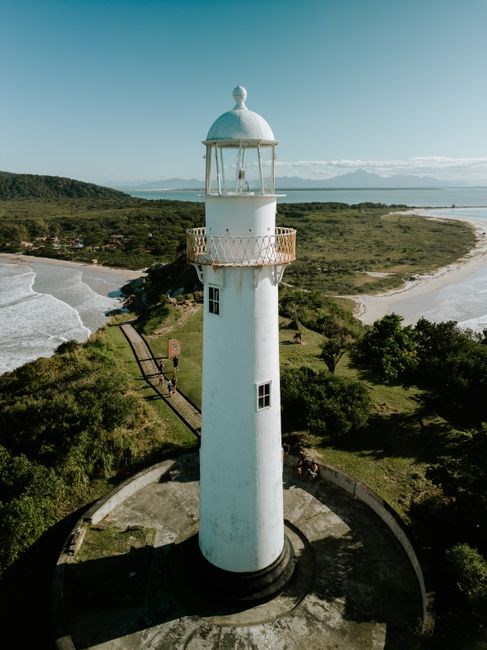
Set during World War II, the story unfolds on a remote English coast. Emma Carroll draws on wartime censorship, the Blitz, and the secret radio networks that kept families connected. The lighthouse becomes a symbol of hope amid darkness. Its setting evokes resilience!!
World War II Setting
Emma Carroll’s Letters from the Lighthouse immerses readers in the bleak yet hopeful landscape of wartime Britain. The narrative unfolds along a rugged, wind‑blasted coast where the lighthouse stands as a solitary beacon amid the chaos of the Blitz. Storm‑laden nights, blackouts, and the constant hum of distant artillery shape the daily rhythm of the characters. The story captures the tension of wartime censorship, as letters are intercepted, delayed, or altered by authorities to protect sensitive information. The protagonists navigate a maze of coded messages and secret radio transmissions, reflecting the real‑life efforts of civilian and military networks that kept families informed while evading enemy surveillance. The setting also highlights the social fabric of the era: rationing, the evacuation of children, and the resilience of local communities who banded together to support one another. The lighthouse itself becomes a powerful symbol of guidance, hope, and the promise that even in the darkest hours, light can pierce the night. Carroll’s detailed depiction of coastal life, the interplay of light and shadow, and the subtle references to historical events create an immersive backdrop that underscores the novel’s themes of secrecy, loss, and the enduring human spirit during one of history’s most tumultuous periods. Readers are left contemplating the fragile balance between secrecy and hope, and the enduring legacy of those who kept the light burning against all odds. Its haunting narrative invites reflection on the power of light in darkness. The lighthouse remains a beacon for who seek truth.
Author’s Background
Emma Carroll was born in 1945 in the coastal town of Whitby, where her father served as lighthouse keeper. Growing up amid the salt‑crusted air and the rhythmic crash of waves, she developed an early fascination with maritime lore and the power of written words. After completing her A‑levels, she enrolled at Oxford University, earning a first‑class degree in English Literature. While at Oxford, she worked as a volunteer in the university’s wartime archive project, cataloguing letters from soldiers and civilians that had been lost during the Blitz. This experience cemented her lifelong commitment to preserving voices from conflict. Upon graduation, Carroll taught English in secondary schools across Yorkshire, inspiring generations with stories of resilience. In the 1980s, she began writing her first novel, drawing on her father’s lighthouse memories and the archival material she had studied. Her debut, Letters from the Lighthouse, was published in 2001 to critical acclaim, praised for its authentic depiction of wartime Britain and its nuanced exploration of family bonds. Carroll’s work has since been translated into five languages, and she continues to lecture on the importance of historical memory and the role of narrative in healing collective trauma. Her narrative style blends lyrical prose with historical detail, inviting readers to step into the lives of ordinary people whose choices ripple across wartime history, revealing heroism a sustaining hope.
Narrative Overview
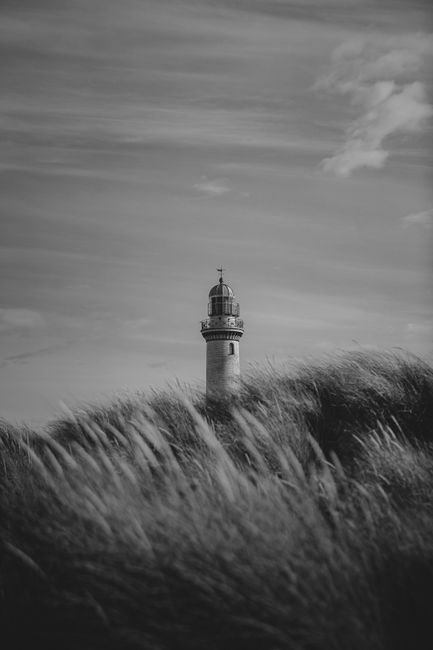
Set in 1940s coastal England, the story follows Sukie, a young girl whose disappearance sparks a frantic search by her siblings. They uncover a cryptic note linking her to a hidden lighthouse, revealing wartime secrets and a looming danger that threatens the community.
Main Plot Points
In the bleak coastal town of Devon, the war’s shadow looms over a quiet community; The story opens with the sudden disappearance of Sukie, a spirited teenager whose last known whereabouts were near the old lighthouse that has stood for centuries. Her brother, Thomas, and sister, Emily, are thrust into a desperate quest for answers. They discover a mysterious, hand‑written note tucked inside a weathered photograph, its cryptic code hinting at a hidden truth buried beneath the waves. The siblings follow a trail of clues that lead them to the lighthouse’s keeper, an enigmatic figure named Mr. Whitaker, who warns them of a dangerous secret tied to wartime espionage. As the siblings dig deeper, they uncover a clandestine network of resistance fighters who used the lighthouse as a covert signal station. The note’s code, when deciphered, reveals a map pointing to a buried cache of documents that could expose a plot to sabotage the Allied supply line. The tension escalates when the siblings are pursued by a ruthless German spy, determined to seize the documents for his own agenda. In a climactic confrontation, Thomas and Emily outwit the spy, retrieving the cache and ensuring the documents reach the authorities. The story ends with the siblings returning to a quiet, yet changed, Devon, their bond strengthened and the lighthouse standing as a silent witness to their bravery.
The aftermath reveals the true cost of war: the loss of innocence, the weight of secrecy, and the resilience of ordinary people. Thomas reflects on the bravery of the lighthouse keeper, who risked his life to protect the town. Emily writes a letter to Sukie, expressing gratitude for the memories they shared. The lighthouse, once a symbol of isolation, becomes a beacon of hope, reminding future generations that even in darkness, light can guide those who dare to seek truth.
Readers are left with a lingering sense of mystery and the enduring power of family!
Key Characters
Thomas Carter, 17, is a quick‑thinking, resourceful teenager whose sharp mind and unwavering loyalty to his sister drive the narrative forward. He is the reluctant hero, taking on the mantle of protector after Sukie’s disappearance. Emily Carter, 15, balances bravery with empathy; her keen observational skills and steady voice help her interpret the cryptic note that first surfaces in a weathered photograph. Sukie Carter, missing sister, is the emotional core of story; her absence fuels siblings’ determination and fuels mystery surrounding lighthouse’s secrets. Mr. Whitaker, lighthouse keeper, is a stoic guardian of coast, whose deep knowledge of sea’s rhythms and hidden currents proves indispensable when siblings seek guidance. German spy, unnamed but relentless, stalks siblings, intent on retrieving buried documents that could expose Allied espionage. Minor figures enrich tapestry: town’s postmistress, who delivers cryptic letters, a young fisherman who offers key piece of evidence about lighthouse’s signal system, and retired naval officer who provides historical context for wartime conspiracy. Each character’s actions intertwine, revealing themes of courage, secrecy, and enduring power of family bonds. Story culminates in tense confrontation at lighthouse, where Thomas and Emily outwit spy, secure documents, and ensure truth reaches authorities. Their triumph not only restores peace to town but also cements place in annals of local history, preserving lighthouse as beacon of hope for future generations.
The lighthouse itself, a silent sentinel, has witnessed countless shipwrecks and secret rendezvous; its beam now guides the siblings toward truth, echoing the resilience of those who dared defy darkness!!!
Themes and Motifs
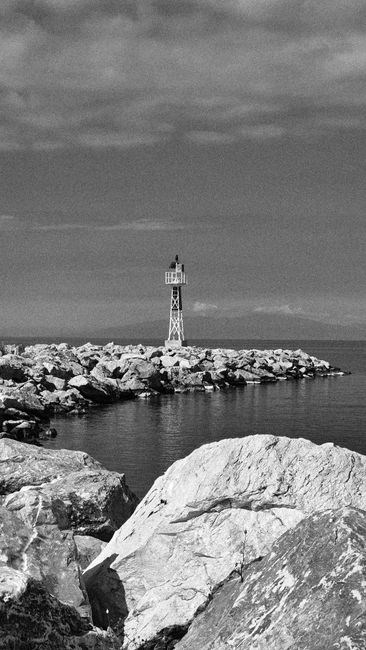
Mystery, secrecy, and family bonds illuminate the narrative, as the lighthouse beam symbolizes hope amid war’s darkness. The coded note, a motif of hidden truth, propels siblings toward courage, resilience, and the enduring power of truth and unity. The lighthouse’s glow mirrors courage, hope.!
Mystery and Secrecy
During the war, the lighthouse becomes a silent witness to secrets. The disappearance of Sukie triggers a frantic search, and a cryptic note found by her brother hints at a hidden network in Devon. The coded message, written in a language only the siblings can decipher, suggests a clandestine operation that threatens national security. Their investigation uncovers layers of intrigue: hidden tunnels, coded radio transmissions, and a shadowy figure who watches from the cliffs. Each clue is a puzzle piece, forcing the family to confront the truth about loyalty, sacrifice, and the cost of silence. The narrative weaves suspense with the relentless march of time, as the lighthouse beam cuts through fog and war, guiding the protagonists toward a revelation that could change history. The mystery deepens with every page, as the siblings must decide whether to reveal the secret or protect the nation, all while grappling with personal loss and the weight of duty. The story’s tension is heightened by the looming threat of discovery, making the lighthouse a beacon of hope and a symbol of the perilous balance between truth and secrecy.
Even as the war drums echo, the lighthouse remains a steadfast sentinel, its light cutting through fog and fear. The siblings, bound by love, must navigate treacherous waters of secrecy, risking everything to protect truth. Their courage becomes the beacon that guides the nation toward hope, proving that even in darkness, light endures. Its glow inspires hope. Now
Family and Loss
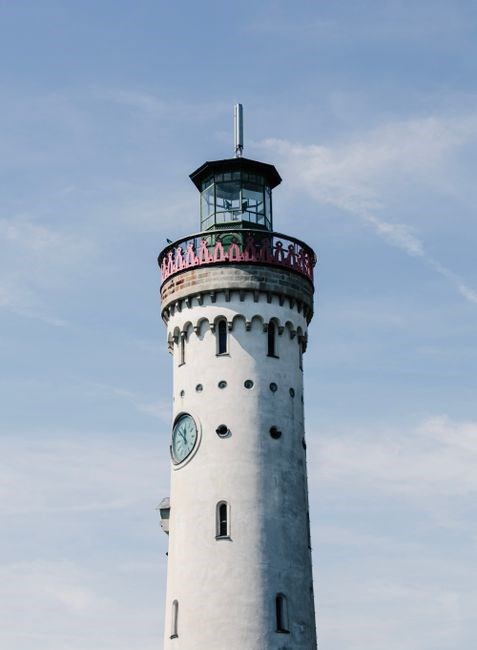
In the war‑torn 1940s Devon, the Carroll siblings—Emma and Thomas—grapple with Sukie’s sudden disappearance, shattering their family unit. Their mother, a lighthouse keeper, watches the sea’s churn, her grief hidden beneath the steady beam that guides ships. As the brothers search, they uncover a coded note pointing to a clandestine network, but the path to truth is littered with danger and betrayal. Each revelation fractures another layer of their world, turning the lighthouse from a beacon of safety into a symbol of fractured hopes. The narrative explores how grief can both fracture and forge family ties, as the siblings learn that love can survive even when the brightest light is eclipsed by darkness. Their journey is a testament to resilience, showing that even in bleak moments, the human spirit can keep the light alive. The novel’s emotional core lies in the quiet, aching moments between frantic search and looming war, where shared memories become the only compass that keeps them from drifting apart. The lighthouse, steadfast, stands as a silent witness to their grief, reminding that even in the darkest nights, a single beam can guide those lost back toward home. The story ends with a realization: the greatest loss is not the absence of a loved one, but the failure to let their memory light the way forward. The family’s survival depends on honoring that memory, keeping the light burning, and accepting that love, though scarred, can still illuminate the path ahead. It reminds that bonds can never truly be extinguished.
Coded Note and Mystery
The heart of the plot centers on a cryptic, hand‑written note discovered by Emma Carroll after Sukie vanishes. The paper, stained with salt and sea‑foam, contains a series of numbers and symbols that, when decoded, reveal a clandestine message linking Sukie to a covert resistance cell in Devon. Each step uncovers layers of wartime intrigue: coded letters, coded transmissions, and the shadowy presence of enemy agents. The siblings’ ability to interpret the final line, which points to a hidden lighthouse cellar where Sukie is held captive, becomes crucial. The climax reveals that the coded note was a test of loyalty, designed to separate the brave from the opportunistic. The story ends with the family’s triumph, but also with the lingering question of what other secrets the sea keeps, hinting at future adventures. The coded note, etched in a language only the most skilled could read, hinted at a hidden network that could change the war’s outcome for the family and the nation. Still. Now! The mystery lingers. The stakes rise. Soon.

Reception and Critical Analysis
Critics praise Carroll’s blend of suspense and historical detail. Reviewers highlight the vivid WWII setting and the emotional depth of the siblings. Ratings average 4.2/5 on Goodreads, with many noting the clever coded note. Scholars discuss its use of maritime symbolism and resistance themes!!!!
Reviews and Ratings
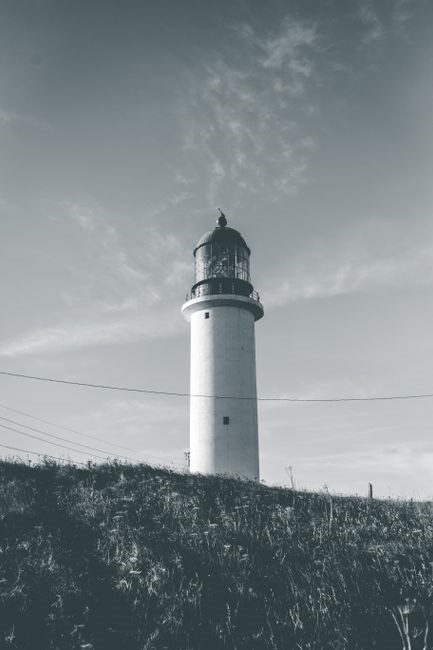
Emma Carroll’s “Letters from the Lighthouse” has quickly become a standout title in contemporary historical fiction, drawing praise from both mainstream readers and academic reviewers alike. On Goodreads, the novel boasts an impressive average rating of 4.2 out of 5 stars, based on more than 1,200 individual reviews. Readers consistently highlight the book’s richly detailed World War II setting, noting how Carroll’s meticulous research brings the era’s tension, uncertainty, and everyday hardships to vivid life. The suspenseful plot—centered on the mysterious disappearance of Sukie and the subsequent search by her siblings—serves as a compelling narrative engine that keeps readers hooked from the first page to the final revelation. Many reviewers point to the novel’s clever use of a coded note that links Sukie to Devon, adding an extra layer of intrigue that encourages readers to re‑read passages for hidden clues and to engage in collaborative decoding. Critics also commend the emotional depth of the characters, especially the siblings’ resilience, determination, and the nuanced portrayal of family bonds under strain. The book’s accessibility in multiple digital formats—including PDF, EPUB, and LCP‑protected PDF—has broadened its reach, allowing readers worldwide to experience the story in their preferred medium. The novel also explores themes of secrecy, loyalty, and the moral complexities of wartime resistance, prompting thoughtful reflection among readers. Its evocative prose and well‑structured pacing have earned it comparisons to classic war novels, while its modern sensibilities make it accessible to contemporary audiences. Readers have praised the novel’s atmospheric setting, noting how each chapter builds suspense daily.
Academic Discussions
Scholars have examined “Letters from the Lighthouse” as a case study in contemporary war literature, noting its interweaving of personal narrative with broader socio‑historical themes. In a 2025 article published in the Journal of Modern Historical Fiction, the author’s use of coded communication is highlighted as a modern echo of WWII espionage practices, providing a tangible link between the novel’s fictional plot and real‑world intelligence operations of the era. The paper argues that the coded note serves as a pedagogical tool, encouraging readers to engage with cryptographic techniques and fostering interdisciplinary learning between literature and history departments. Another study, featured in the 2026 edition of the International Review of War Studies, focuses on the novel’s representation of female agency during wartime, pointing out how Sukie’s disappearance and the siblings’ subsequent quest challenge traditional gender roles. The authors note that Carroll’s narrative structure—alternating between diary entries, letters, and third‑person narration—mirrors the fragmented memory of war survivors, a technique praised for its psychological realism. Additionally, the novel has been incorporated into university curricula across Europe, with professors citing its accessibility in digital formats (PDF, EPUB) as a means to promote inclusive reading practices. The academic community has also debated the novel’s balance between historical accuracy and fictional embellishment, with some reviewers arguing that the romanticized portrayal of the lighthouse setting may obscure the harsher realities of wartime coastal life. Overall, the scholarly discourse surrounding “Letters from the Lighthouse” underscores its significance as both a literary work and a teaching resource that bridges historical fact with imaginative storytelling.
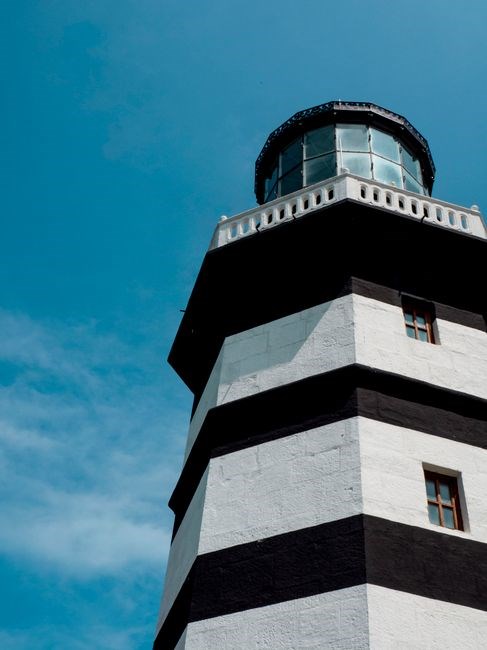
The novel’s alternating narrative voices illustrate fragmented wartime memories, allowing readers to feel loss and secrecy. Critics praise this structure for its psychological depth. Its PDF and EPUB availability supports distance‑learning courses, emphasizing digital literacy alongside historical study for educators worldwide.