
Yoga‚ a practice blending physical postures‚ breathing techniques‚ and meditation‚ offers numerous benefits for both body and mind.
Discover a beginner yoga sequence with printable guides‚
perfect for starting your wellness journey at home‚ anytime!
What is Yoga and its Benefits?
Yoga‚ originating in ancient India‚ is a holistic practice encompassing physical postures (asanas)‚ controlled breathing (pranayama)‚ and meditation (dhyana). It’s far more than just exercise; it’s a path to uniting the mind‚ body‚ and spirit. A beginner yoga sequence‚ often found in PDF format‚ provides a structured introduction to these elements.
The benefits are extensive. Physically‚ yoga improves flexibility‚ strength‚ balance‚ and posture. Mentally‚ it reduces stress‚ anxiety‚ and promotes mindfulness. Regular practice can also enhance cardiovascular health and improve sleep quality; Printable sequences allow you to practice at your own pace‚ building a consistent routine. Whether seeking fitness‚ stress relief‚ or inner peace‚ yoga offers a transformative experience.
Why a PDF Sequence is Helpful
A yoga sequence for beginners in PDF format offers unparalleled convenience and accessibility. Unlike relying solely on videos‚ a printable guide allows practice anywhere‚ anytime – no internet connection needed! You can easily refer to pose instructions and modifications during your session. Many PDFs include step-by-step images‚ ensuring proper alignment and minimizing risk of injury.
Furthermore‚ a PDF encourages self-paced learning. You can pause‚ rewind (mentally!)‚ and revisit poses as needed. It’s a tangible resource to build a consistent home practice. Downloading a beginner yoga routine allows for personalized practice‚ tailoring the sequence to your individual needs and fitness level‚ fostering a deeper connection with your body.
Essential Preparations
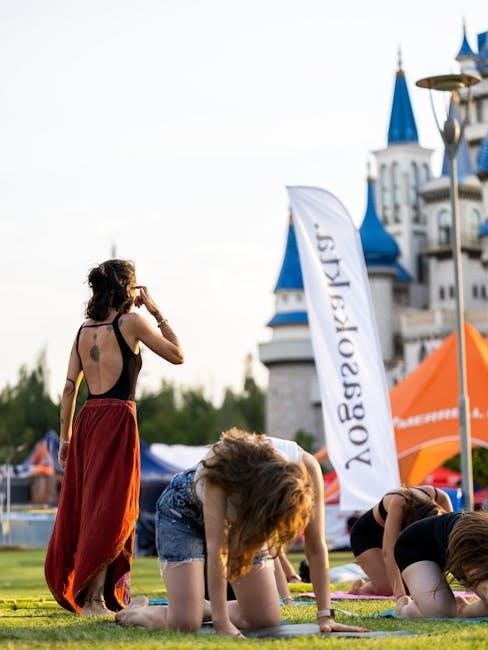
Before starting your beginner yoga sequence‚ ensure you have a yoga mat and comfortable clothing. A quiet‚ dedicated space enhances focus and relaxation!
What You’ll Need (Mat‚ Comfortable Clothing)
Embarking on your yoga journey requires minimal equipment‚ making it incredibly accessible! A yoga mat is essential‚ providing cushioning and a non-slip surface for stability during poses. Look for a mat with good grip‚ especially as a beginner.
Comfortable clothing is equally important. Opt for stretchy‚ breathable fabrics that allow a full range of motion. Avoid restrictive clothing like jeans or anything with zippers that might dig in during certain postures. Think leggings‚ shorts‚ or loose-fitting t-shirts.
Bare feet are generally preferred‚ but yoga socks can be used if you prefer extra grip or warmth. Remember‚ the goal is to feel comfortable and unrestricted so you can fully focus on your practice and the beginner yoga sequence!
Creating a Dedicated Space
Establishing a dedicated yoga space‚ even a small one‚ can significantly enhance your practice. Choose a quiet area free from distractions – turn off your phone and let family members know you need uninterrupted time. A clutter-free environment promotes a sense of calm and focus‚ essential for connecting with your breath and body during the yoga sequence.
The space doesn’t need to be large; a corner of a room is sufficient. Consider adding elements that inspire you‚ such as plants‚ candles (use safely!)‚ or artwork. Good lighting and a comfortable temperature are also important.
Having a consistent space signals to your mind and body that it’s time for yoga‚ fostering a regular practice and deepening your connection to the beginner PDF routine.
Understanding Basic Yoga Terminology
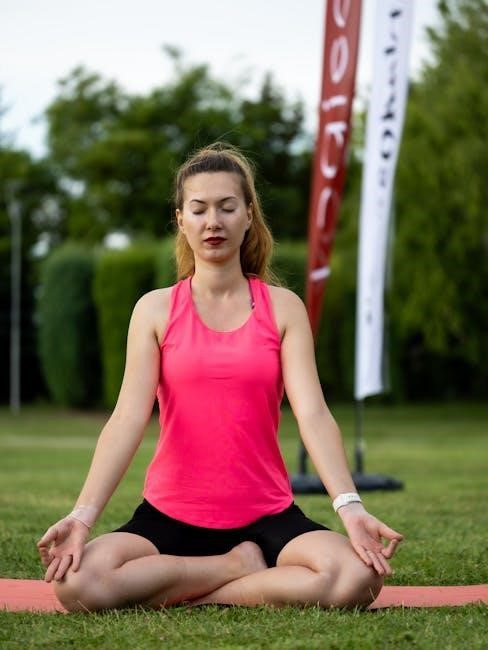
Familiarizing yourself with common yoga terms will greatly aid your understanding of the beginner sequence found in your PDF. “Asana” refers to a pose‚ while “Vinyasa” describes a flowing sequence connecting poses with breath. “Pranayama” encompasses breathing techniques‚ vital for controlling energy and calming the mind.
You’ll encounter terms like “Inhale” and “Exhale‚” guiding your breath. “Namaste” is a respectful greeting‚ acknowledging the divine in oneself and others. Understanding “Drishti” – a focal point for your gaze – helps maintain balance and concentration.
Don’t be intimidated by Sanskrit names; the PDF will likely provide translations. Building this vocabulary empowers you to confidently navigate your yoga practice.
The Beginner Yoga Sequence ౼ Warm-up
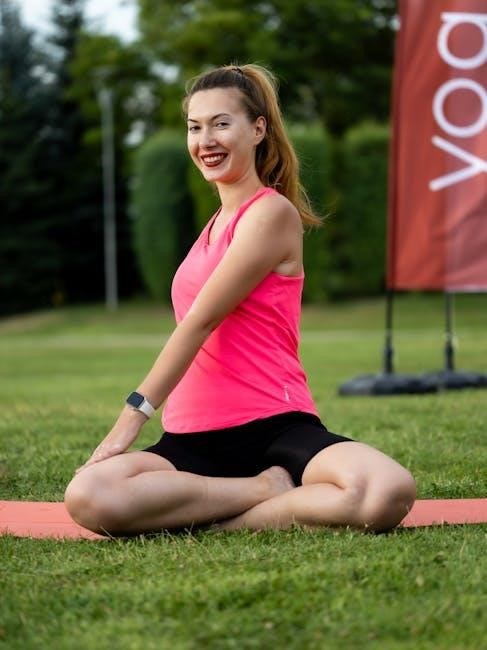
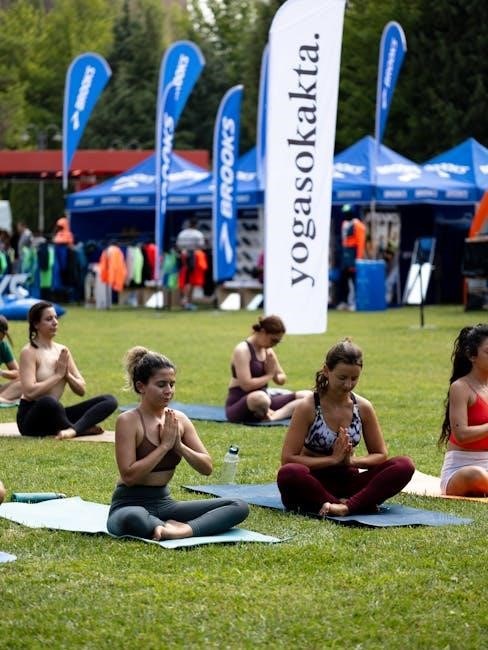
Begin with gentle movements to prepare your body! A beginner yoga sequence PDF often starts with poses like Cat-Cow‚ Downward-Facing Dog‚ and Child’s Pose.
Cat-Cow Pose
Cat-Cow Pose is a foundational movement frequently included in beginner yoga sequence PDFs. It gently warms the spine‚ improves posture‚ and enhances coordination. Begin on your hands and knees‚ ensuring wrists are under shoulders and knees are under hips.
Inhale as you drop your belly towards the floor‚ arching your back and lifting your gaze – this is Cow Pose. Exhale‚ rounding your spine towards the ceiling‚ tucking your chin to your chest – Cat Pose.
Continue flowing between these two poses with your breath for 5-10 rounds. This dynamic stretch increases circulation and prepares the spine for deeper poses. Many printable guides emphasize mindful breathing during this pose.
Downward-Facing Dog (Beginner Modification)
Downward-Facing Dog‚ a staple in many beginner yoga sequence PDFs‚ builds strength and stretches the entire body. However‚ beginners often find it challenging. A helpful modification involves bending your knees generously. Start on your hands and knees‚ then lift your hips up and back‚ forming an inverted V-shape.
Keep a slight bend in your knees to avoid straining your hamstrings. Focus on lengthening your spine rather than straightening your legs. Press your hands firmly into the mat‚ and draw your shoulder blades down your back.
Hold for 5-10 breaths‚ gradually working towards straightening your legs as flexibility improves. Printable guides often illustrate this modified version for accessibility.
Child’s Pose
Child’s Pose is a restorative posture frequently included in beginner yoga sequence PDFs‚ offering a gentle stretch for the back‚ hips‚ and ankles. It’s a wonderful pose for relaxation and calming the mind. Begin on your hands and knees‚ then bring your big toes together and sit back on your heels.
Gently fold forward‚ resting your torso between your thighs. Extend your arms forward‚ palms down‚ or rest them alongside your body‚ palms up. Allow your forehead to rest on the mat‚ or use a block or blanket for support.
Breathe deeply and relax into the pose‚ holding for 30 seconds to several minutes. Printable guides emphasize its role in counterposing more strenuous postures.

Standing Poses ౼ Building Strength
Standing poses‚ often detailed in beginner yoga sequence PDFs‚ cultivate strength and stability. They improve balance and body awareness‚ forming a foundational practice.
Mountain Pose (Tadasana)
Mountain Pose (Tadasana)‚ frequently illustrated in beginner yoga sequence PDFs‚ is the foundational standing pose. It’s deceptively simple‚ yet profoundly impactful. Begin by standing tall with feet hip-width apart or together‚ grounding down through all four corners of your feet.
Engage your leg muscles‚ drawing up through your thighs. Gently tuck your tailbone‚ and lift your chest. Roll your shoulders back and down‚ allowing your arms to hang naturally at your sides with palms facing forward.
Imagine a string pulling you up from the crown of your head‚ lengthening your spine. Breathe deeply and evenly‚ feeling a sense of groundedness and stability. This pose cultivates proper posture and body alignment‚ preparing you for more challenging poses.
Warrior II (Virabhadrasana II)
Warrior II (Virabhadrasana II)‚ a common pose in beginner yoga sequence PDFs‚ builds strength and stamina. Start by stepping your feet wide apart‚ about four feet. Turn your right foot out 90 degrees and your left foot in slightly.
Align your right heel with the arch of your left foot. Bend your right knee directly over your right ankle‚ keeping your thigh parallel to the floor. Extend your arms out to the sides‚ parallel to the floor‚ palms facing down.
Gaze over your right hand. Keep your shoulders relaxed and your core engaged. Breathe deeply‚ feeling the stretch in your hips and the strength in your legs. Hold for several breaths‚ then repeat on the other side.
Triangle Pose (Trikonasana)
Triangle Pose (Trikonasana)‚ frequently included in beginner yoga sequence PDFs‚ enhances flexibility and balance. Begin standing with feet wide apart‚ roughly four feet. Turn your right foot out 90 degrees and your left foot slightly inward.
Extend your arms out to the sides‚ parallel to the floor. Reach forward with your right hand‚ then hinge at your hips‚ lowering your right hand towards your shin‚ ankle‚ or the floor. Extend your left arm towards the ceiling‚ stacking it over your right.
Keep your spine long and your gaze towards your top hand. Engage your core and breathe deeply‚ feeling the stretch along your side body. Hold for several breaths‚ then gently rise and repeat on the left side.
Seated Poses ౼ Increasing Flexibility
Seated poses‚ often found in beginner yoga sequence PDFs‚ gently improve flexibility in the hamstrings‚ hips‚ and spine‚ promoting relaxation and mindful stretching.
Staff Pose (Dandasana)
Staff Pose (Dandasana)‚ a foundational seated pose frequently included in beginner yoga sequence PDFs‚ establishes a strong and stable base for further stretching. Begin by sitting upright with legs extended straight in front of you‚ feet flexed.
Ensure your spine is erect‚ shoulders relaxed‚ and hands placed beside your hips‚ palms facing down. Actively engage your core to maintain a neutral spine‚ avoiding rounding or arching. This pose cultivates awareness of proper alignment and strengthens core muscles.
Focus on lengthening the spine from the tailbone to the crown of the head. Breath deeply and evenly‚ noticing any sensations in your legs‚ back‚ and core. Modifications include slightly bending the knees if hamstrings are tight.
Seated Forward Fold (Paschimottanasana) ౼ Modified
Seated Forward Fold (Paschimottanasana)‚ often featured in beginner yoga sequence PDFs‚ gently stretches the spine‚ hamstrings‚ and shoulders. Begin in Staff Pose (Dandasana). Inhale deeply‚ then exhale as you hinge forward from the hips‚ keeping your spine as straight as possible.
For a modified version‚ keep a generous bend in your knees. Reach towards your feet‚ shins‚ or thighs – avoid forcing the stretch. Allow your head to relax towards your knees‚ but don’t strain. Focus on lengthening the spine rather than touching your toes.
Hold the pose for several breaths‚ deepening the stretch with each exhale. This variation is ideal for beginners‚ promoting flexibility without overexertion. Remember to breathe deeply and maintain a relaxed jaw and shoulders.
Easy Seated Twist (Ardha Matsyendrasana)
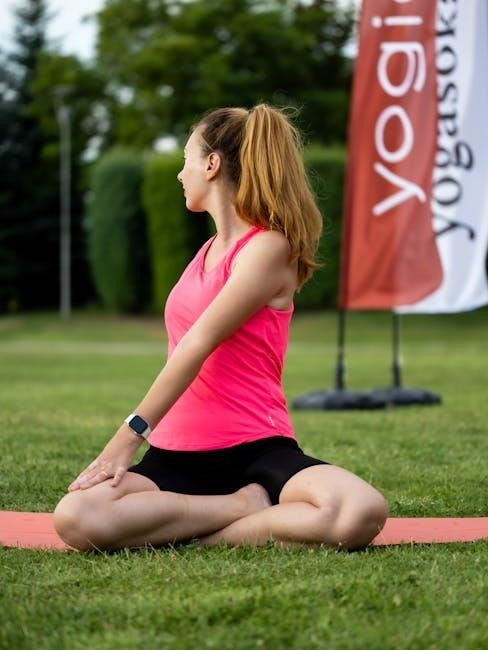
The Easy Seated Twist (Ardha Matsyendrasana)‚ commonly included in beginner yoga sequence PDFs‚ gently detoxifies the body and increases spinal mobility; Begin seated with legs extended forward. Bend your right knee and place your right foot outside your left thigh.
Inhale‚ lengthen your spine‚ and exhale as you twist to the right‚ placing your left elbow outside your right knee. Gently press your right hand behind you for support. Keep your spine straight and shoulders relaxed. Gaze over your right shoulder.
Hold for several breaths‚ deepening the twist with each exhale. Repeat on the other side. This pose improves digestion and relieves back pain. Modifications include keeping the bottom leg extended if needed.
Cool-Down & Relaxation
Cool-down poses‚ like Bridge Pose and Knees-to-Chest‚ gently release tension. Finish with Corpse Pose (Savasana)‚ found in many yoga sequence PDFs‚ for deep relaxation.
Bridge Pose (Setu Bandhasana) ౼ Gentle
Bridge Pose is a fantastic‚ accessible pose often included in beginner yoga sequence PDFs. To begin‚ lie on your back with knees bent and feet flat on the floor‚ hip-width apart. Arms rest alongside your body‚ palms down.
Gently press your feet into the floor and lift your hips upward‚ engaging your glutes and core. Avoid straining your neck; keep your shoulders relaxed and down. This pose gently stretches the chest‚ neck‚ and spine.
Hold for 30 seconds‚ breathing deeply. Many printable yoga guides suggest modifications for beginners‚ such as placing a block under the sacrum for support. Slowly lower your spine back to the floor‚ vertebra by vertebra. Repeat 2-3 times.
Knees-to-Chest Pose (Apanasana)
Knees-to-Chest Pose‚ or Apanasana‚ is a restorative pose frequently found in beginner yoga sequence PDFs‚ promoting relaxation and gentle abdominal massage. Begin by lying comfortably on your back with legs extended.
Draw both knees towards your chest‚ clasping your hands around your shins or behind your thighs. Gently rock side to side‚ massaging your lower back. This movement can help relieve lower back tension and gently stimulate digestion.
Keep your shoulders relaxed and your neck long. Hold the pose for 30-60 seconds‚ focusing on deep‚ even breaths. Printable yoga resources often recommend this pose to calm the nervous system. Slowly release your knees and return to a relaxed position.
Corpse Pose (Savasana)
Corpse Pose‚ or Savasana‚ is the final‚ and arguably most important‚ pose in many yoga sequence PDFs for beginners. Lie flat on your back with your legs slightly apart and your arms at your sides‚ palms facing up.
Allow your feet to fall open naturally. Close your eyes and consciously relax every muscle in your body‚ starting with your toes and working your way up to your head. Release any tension in your jaw‚ shoulders‚ and abdomen.
Focus on your breath‚ allowing it to become slow and natural. Printable yoga guides emphasize staying still and surrendering to the pose for at least 5-10 minutes‚ allowing the benefits of the practice to fully integrate.
Breathing Techniques (Pranayama) for Beginners
Yoga sequence PDFs often include Pranayama‚ or breathing exercises; Beginner techniques like diaphragmatic and alternate nostril breathing calm the mind and enhance practice.
Diaphragmatic Breathing (Belly Breathing)
Diaphragmatic breathing‚ also known as belly breathing‚ is a foundational Pranayama technique frequently highlighted in beginner yoga sequence PDFs. It’s a simple yet powerful method to calm the nervous system and increase oxygen intake. To practice‚ lie comfortably on your back or sit in a relaxed posture.
Place one hand on your chest and the other on your abdomen. Inhale deeply through your nose‚ allowing your belly to rise while keeping your chest relatively still. Exhale slowly through your mouth‚ feeling your abdomen fall.
Focus on the sensation of your breath and the gentle movement of your diaphragm. This technique is often included in yoga routines to promote relaxation and prepare the body for deeper poses. Consistent practice can reduce stress and improve overall well-being‚ complementing any beginner yoga flow.
Alternate Nostril Breathing (Nadi Shodhana) ౼ Simplified
Alternate Nostril Breathing‚ or Nadi Shodhana‚ is a balancing Pranayama technique often found within beginner yoga sequence PDFs. A simplified version is ideal for newcomers. Begin by sitting comfortably with a straight spine.
Close your right nostril with your right thumb and inhale deeply through your left nostril. Then‚ close your left nostril with your ring finger and release your right thumb‚ exhaling through the right nostril. Inhale through the right nostril‚ close it‚ and exhale through the left.
Continue this pattern‚ alternating nostrils with each breath. This practice helps to calm the mind‚ balance energy‚ and prepare the body for a deeper yoga practice‚ enhancing the benefits of any beginner flow.
Finding and Utilizing Yoga PDFs
Yoga sequence PDFs offer accessible guidance for beginners. Downloadable resources provide step-by-step instructions and pose breakdowns‚ enabling convenient practice at home‚ anytime!
Where to Download Free Beginner Yoga PDFs
Finding reliable sources for free beginner yoga PDFs is easier than you might think! Numerous websites offer downloadable sequences designed for newcomers. Many yoga instructors and studios provide introductory PDFs as a resource to attract students and share their expertise.
Websites dedicated to yoga and wellness frequently host printable guides. A quick online search for “beginner yoga sequence PDF” will yield a wealth of options. Platforms like YouTube often accompany video tutorials with downloadable PDF companions‚ offering visual and written guidance;
Remember to prioritize PDFs from reputable sources to ensure accuracy and safety. Look for guides created by certified yoga teachers or established yoga organizations. These resources will help you build a solid foundation and enjoy the benefits of yoga safely.
What to Look for in a Good PDF Sequence
A quality beginner yoga sequence PDF should prioritize clarity and safety. Look for sequences that include detailed‚ step-by-step instructions accompanied by clear illustrations or photographs of each pose. Modifications for different levels of flexibility are crucial‚ allowing you to adapt the practice to your individual needs.
Good PDFs will also emphasize proper alignment to prevent injuries. Pay attention to cues regarding breathing techniques (pranayama) integrated throughout the sequence. A well-structured PDF will typically begin with a warm-up‚ progress to standing and seated poses‚ and conclude with a cool-down and relaxation phase.
Finally‚ ensure the PDF is easy to read and navigate. A logical flow and concise language will enhance your understanding and enjoyment of the practice.
Printing and Using Your PDF Effectively
To maximize your experience with a beginner yoga sequence PDF‚ print it on standard letter-size paper. Consider printing in color for clearer visual guidance‚ though grayscale is perfectly acceptable. Laminating the pages can protect them from wear and tear during use‚ especially if practicing outdoors or in a humid environment.
When practicing‚ place the PDF in a visible location – a yoga mat‚ a stand‚ or a flat surface. Take your time with each pose‚ referring to the instructions and images as needed. Don’t hesitate to pause and review if you’re unsure about proper form.
Remember to listen to your body and modify poses as necessary. A PDF is a guide‚ not a rigid rulebook!