Guide Railing: A Comprehensive Guide (Updated March 25, 2026)
Digger Specialties Inc․ (DSI), a leading aluminum railing producer, released a crucial reference guide, solidifying their position as an industry innovator today;
Guide railing systems are essential safety barriers designed to prevent falls from elevated surfaces, offering protection and defining spaces․ These systems aren’t merely functional; they significantly contribute to the aesthetic appeal of structures․ From residential decks and porches to expansive commercial buildings and demanding industrial environments, guide rails provide crucial safeguards․
The industry leader, Digger Specialties Inc․ (DSI), recognizes the importance of comprehensive understanding, evidenced by their recent release of an indispensable reference guide on March 25, 2026․ This guide underscores the growing need for informed decisions regarding railing selection, installation, and maintenance, ensuring both safety and compliance․
Historical Development of Guide Railing
Early forms of railing utilized readily available materials like wood and stone, primarily focused on basic fall protection․ As construction techniques evolved, so did railing designs, incorporating wrought iron for increased strength and decorative elements during the Victorian era․ The 20th century saw the rise of steel, offering superior durability and enabling longer spans․
More recently, Digger Specialties Inc․ (DSI), a frontrunner in the industry, has driven innovation with aluminum railing systems, highlighted by their new reference guide released on March 25, 2026․ This demonstrates a continuing shift towards lighter, corrosion-resistant materials and streamlined designs, prioritizing both safety and modern aesthetics․
Types of Guide Railing Materials
Guide railing materials encompass a diverse range, each offering unique benefits․ Aluminum, championed by industry leader Digger Specialties Inc․ (DSI), provides lightweight strength and corrosion resistance, detailed in their recent reference guide․ Steel offers exceptional durability, ideal for high-traffic or demanding environments․
Wood provides a classic aesthetic, though requires regular maintenance․ Composite materials present a low-maintenance alternative, blending versatility with reduced upkeep․ The choice depends on factors like budget, design preferences, and environmental conditions, with DSI’s guide serving as a valuable resource for informed decisions․
Aluminum Railing: Benefits and Applications
Aluminum railing, a specialty of Digger Specialties Inc․ (DSI), stands out for its inherent advantages․ Its lightweight nature simplifies installation, while exceptional corrosion resistance ensures longevity, even in harsh climates․ DSI’s comprehensive reference guide highlights aluminum’s versatility for residential decks, porches, and commercial applications․
Aluminum’s strength-to-weight ratio provides robust safety without excessive bulk․ Powder coating options offer aesthetic customization․ It’s a cost-effective solution, balancing durability with affordability, making it a popular choice for both builders and homeowners seeking reliable, attractive guide railing systems․
Steel Railing: Strength and Durability
Steel railing represents a pinnacle of strength and enduring performance in guide railing systems․ Known for its exceptional load-bearing capacity, steel is ideal for demanding applications like industrial safety barriers and high-traffic commercial spaces․ While heavier than aluminum, its robustness provides unmatched security and stability․
Proper protective coatings, such as galvanization and powder coating, are crucial to prevent corrosion and extend the lifespan of steel railings․ Despite the added weight, steel offers a cost-effective, long-term solution where maximum durability is paramount, ensuring lasting safety and reliability․
Wood Railing: Aesthetic Appeal and Maintenance
Wood railing offers a classic, warm aesthetic that complements various architectural styles, bringing natural beauty to decks, porches, and gardens․ While visually appealing, wood requires consistent maintenance to withstand the elements and prevent decay․ Regular staining, sealing, and painting are essential to protect against moisture, UV damage, and insect infestation․
Different wood species offer varying levels of durability; cedar and redwood are naturally resistant to rot․ Despite the upkeep, wood’s versatility and timeless charm make it a popular choice for homeowners seeking a traditional look․
Composite Railing: Low Maintenance and Versatility
Composite railing presents a compelling alternative to traditional materials, lauded for its minimal maintenance requirements and design flexibility․ Constructed from a blend of wood fibers and plastic, it resists rot, decay, and insect damage, eliminating the need for frequent staining or painting․
This versatility allows for mimicking the appearance of wood with various colors and textures․ Composite options are ideal for homeowners desiring a low-effort, long-lasting railing solution that maintains aesthetic appeal without extensive upkeep, proving a cost-effective choice long-term․
Key Components of a Guide Railing System
A robust guide railing system isn’t simply a visual barrier; it’s an engineered assembly of interconnected parts․ Posts, securely anchored to the structure, form the foundational support․ Railing infill – whether balusters, glass panels, or cable – fills the space between posts, providing safety and style․
Finally, handrails and top rails offer a comfortable gripping surface and complete the system’s aesthetic․ Proper integration of these components, adhering to building codes, ensures both safety and structural integrity, creating a reliable and visually pleasing barrier․
Posts and Anchoring Systems
Guide railing posts are the critical vertical supports, demanding robust materials like aluminum, steel, or pressure-treated wood․ Anchoring systems vary based on the mounting surface – decks, concrete, or stairs – utilizing bolts, screws, or specialized connectors․
Proper post spacing, typically dictated by building codes, is essential for structural stability․ Secure anchoring prevents swaying or collapse, ensuring the railing’s integrity under load․ Careful consideration of these elements guarantees a safe and long-lasting railing installation, providing reliable protection․
Railing Infill Options (Balusters, Glass, Cable)
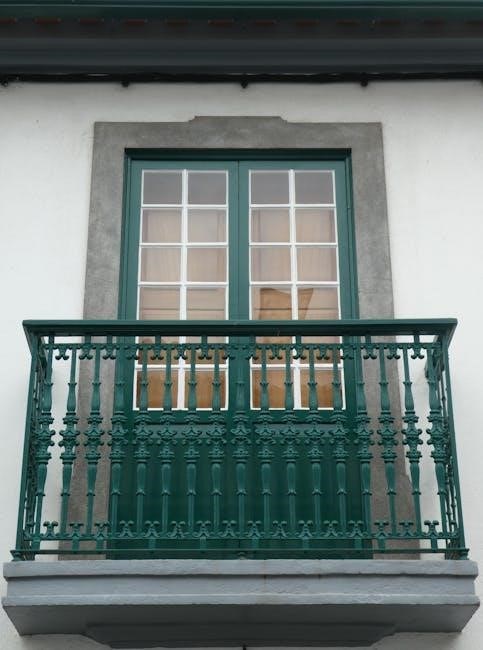
Railing infill significantly impacts aesthetics and safety․ Traditional balusters, often wood or metal, offer classic designs and code compliance․ Glass panels provide unobstructed views and a modern look, requiring tempered glass for safety․
Cable railing, utilizing stainless steel cables, delivers a minimalist aesthetic and open feel․ Infill choices must meet specific building code requirements regarding spacing and height to prevent falls․ Selecting the appropriate infill balances visual appeal, safety standards, and desired levels of privacy or openness․
Handrails and Top Rails
Handrails and top rails are crucial components of any guide railing system, providing both safety and aesthetic appeal․ Top rails, the uppermost horizontal member, offer a gripping surface and define the railing’s overall look․ Handrails, designed for comfortable grasping, must adhere to specific height and shape regulations․
Material choices for both range from wood and metal to composite options, influencing durability and maintenance․ Proper handrail design considers ergonomics and accessibility, ensuring a secure and comfortable grip for all users․ These elements contribute significantly to the railing’s functionality and visual harmony․
Guide Railing Applications

Guide railing systems find diverse applications across various sectors, prioritizing safety and aesthetic integration․ Residential decks and porches benefit from railings enhancing both security and visual appeal, creating inviting outdoor spaces․ Commercial buildings utilize railings for staircases, balconies, and perimeter protection, meeting stringent safety standards․
Industrial settings demand robust safety railings safeguarding workers from fall hazards, often employing heavy-duty materials․ Beyond these, railings are crucial in public spaces like parks and stadiums, ensuring pedestrian safety․ The specific application dictates material selection and design considerations․
Residential Deck and Porch Railing
Residential deck and porch railing prioritizes safety alongside aesthetic enhancement, significantly boosting property value․ Homeowners often choose materials like aluminum, wood, or composite, balancing durability with desired style․ Railing designs range from traditional balusters to modern glass or cable systems, complementing architectural aesthetics․
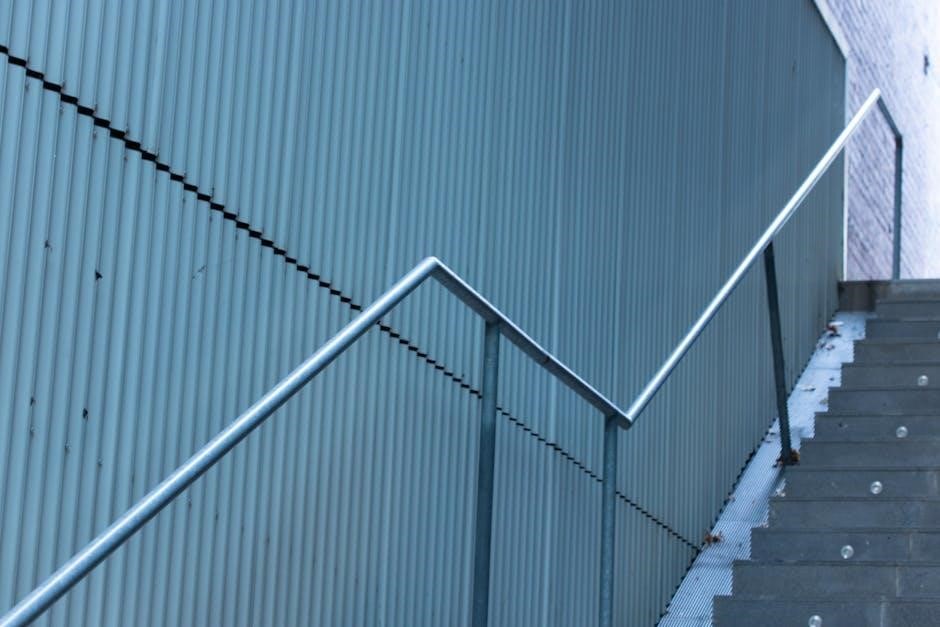
Local building codes heavily influence railing height and infill requirements, ensuring child safety and preventing accidental falls․ Proper installation, including secure post anchoring, is paramount․ These railings create safer, more enjoyable outdoor living spaces for families and guests․
Commercial Building Railing
Commercial building railing demands robust solutions prioritizing public safety and code compliance․ Steel railing is frequently favored for its exceptional strength and durability in high-traffic areas like staircases, balconies, and walkways․ Designs often integrate seamlessly with building architecture, offering both functionality and aesthetic appeal․
Stringent regulations, including International Building Code (IBC) requirements, dictate load-bearing capacities and infill spacing․ Regular inspections and maintenance are crucial to ensure long-term safety and prevent liability․ Commercial railings contribute to accessible and secure environments for employees and customers․
Industrial Safety Railing
Industrial safety railing systems are engineered for demanding environments, prioritizing worker protection from falls and hazardous machinery․ Steel railing dominates this sector due to its superior strength and resistance to impact․ These systems often incorporate specialized features like toe boards and kick plates to prevent objects from falling and enhance safety․
Compliance with OSHA regulations is paramount, dictating specific height, load, and infill requirements․ Regular inspections and robust maintenance programs are essential to identify and address potential hazards․ Durable coatings protect against corrosion, ensuring longevity in harsh industrial settings;
Guide Railing Codes and Regulations
Guide railing installations are heavily governed by building codes to ensure public safety․ The International Building Code (IBC) provides a baseline, outlining requirements for railing height, infill spacing, and load resistance․ However, it’s crucial to remember that local building code variations frequently exist, often exceeding the IBC’s minimum standards․
These local amendments can address regional climate concerns, specific hazard risks, or aesthetic preferences․ Proper permitting and inspections are vital to confirm compliance․ Ignoring these regulations can lead to costly rework, legal liabilities, and, most importantly, compromised safety․
International Building Code (IBC) Requirements
The International Building Code (IBC) establishes minimum safety standards for guide railing systems․ Generally, railings must withstand a load of at least 200 pounds applied in any direction․ Railing height is typically mandated at a minimum of 34 inches for residential applications and 42 inches for commercial settings․
Infill requirements dictate maximum spacing between balusters or cable runs to prevent children from passing through․ Specific provisions address stair railings, ramps, and elevated walking surfaces, ensuring consistent safety across diverse applications․ Adherence to the IBC is a foundational step in responsible railing design and installation․

Local Building Code Variations
While the International Building Code (IBC) provides a baseline, local building codes often introduce variations for guide railing systems․ Jurisdictions may impose stricter height requirements, particularly in coastal areas prone to high winds or seismic activity․ Infill spacing regulations can also differ, with some locales mandating smaller gaps for enhanced child safety․
Permitting processes and inspection protocols vary significantly by municipality․ It’s crucial to consult with local authorities to ensure full compliance before commencing any railing project, avoiding costly rework and potential safety hazards․
Installation Best Practices
Proper installation is paramount for guide railing safety and longevity․ Post spacing must adhere to manufacturer specifications and local codes, ensuring structural integrity․ Anchoring systems should be appropriate for the substrate – concrete, wood, or steel – utilizing corrosion-resistant fasteners․
Railing height and infill compliance are critical; verify measurements against code requirements․ Precise leveling and alignment are essential for aesthetic appeal and functionality․ Regularly check for plumb and secure connections throughout the installation process, guaranteeing a robust and reliable system․
Proper Post Spacing and Anchoring
Post spacing directly impacts railing strength; closer spacing generally provides greater stability․ Always consult local building codes and manufacturer guidelines for precise requirements, typically ranging from 6 to 8 feet․ Anchoring must resist both upward and lateral forces, utilizing appropriate fasteners for the substrate․
For concrete, epoxy anchors are preferred; for wood, lag screws or through-bolts are common․ Ensure anchors penetrate sufficiently into the supporting structure․ Proper anchoring prevents railing failure and guarantees long-term safety and performance, especially in high-traffic areas․
Ensuring Railing Height and Infill Compliance
Railing height is critical for safety, typically requiring a minimum of 36 inches for residential and 42 inches for commercial applications, as dictated by the International Building Code (IBC)․ Infill compliance—the spacing between balusters or the strength of glass/cable—prevents falls․
A 4-inch sphere must not pass through any opening․ Local building codes may have stricter requirements․ Thoroughly verify all dimensions and materials meet or exceed these standards before, during, and after installation․ Proper compliance ensures a safe and legally sound railing system․
Maintenance and Repair of Guide Railing
Regular inspection is paramount for maintaining guide railing integrity․ Look for corrosion, loose connections, and damage to infill materials like glass or cables․ Address issues promptly to prevent escalation․ Cleaning removes dirt and grime, preserving aesthetics and preventing material degradation․
Apply protective coatings annually, especially for steel and wood railings, to combat weathering․ Repair damaged components immediately; replace severely corroded parts․ Consistent upkeep extends the railing’s lifespan and ensures continued safety and compliance with building codes․

Regular Inspection for Damage
Consistent visual checks are crucial for identifying potential issues before they become significant problems․ Focus on post stability, ensuring secure anchoring and checking for any signs of leaning or movement․ Examine infill materials – balusters, glass panels, or cables – for cracks, breaks, or corrosion․
Inspect handrails and top rails for looseness, splinters (in wood), or coating failures․ Pay close attention to connections, looking for loose screws or corroded fasteners․ Document any findings and schedule repairs promptly to maintain safety and prevent further damage;
Cleaning and Protective Coatings
Routine cleaning removes dirt, grime, and environmental pollutants that can degrade railing materials․ Use mild soap and water for most surfaces, avoiding abrasive cleaners that can scratch or damage finishes․ For aluminum railings, a specialized aluminum cleaner can restore shine and protect against corrosion․
Wood railings benefit from periodic sealing or painting to prevent moisture damage and rot․ Steel railings require rust-inhibiting primers and paints․ Applying protective coatings extends the lifespan of your guide railing system, preserving its appearance and structural integrity․
Emerging Trends in Guide Railing Design
Modern aesthetics are increasingly favoring sleek glass railing systems, offering unobstructed views and a contemporary look․ These systems utilize tempered glass panels, providing safety and elegance․ Simultaneously, cable railing continues to gain popularity, delivering minimal visual obstruction and maximizing sightlines․
Aluminum remains a dominant material, with innovative powder coating techniques offering a wider range of colors and textures․ Designers are also exploring mixed-material designs, combining wood, metal, and glass for unique visual appeal․ Sustainability and low-maintenance options are key drivers in these emerging trends․
Glass Railing Systems for Modern Aesthetics
Glass railing systems represent a pinnacle of contemporary design, offering unparalleled aesthetics and a sense of openness․ Utilizing tempered glass panels, these systems provide safety without sacrificing views, seamlessly blending indoor and outdoor spaces․ Modern homes and commercial buildings increasingly incorporate glass railings for their sleek appearance․
Various mounting options, including post, base shoe, and over-the-top, cater to diverse architectural styles․ DSI, a leader in railing innovation, offers solutions for secure and stylish glass installations․ These systems enhance property value and create a sophisticated ambiance․
Cable Railing for Unobstructed Views
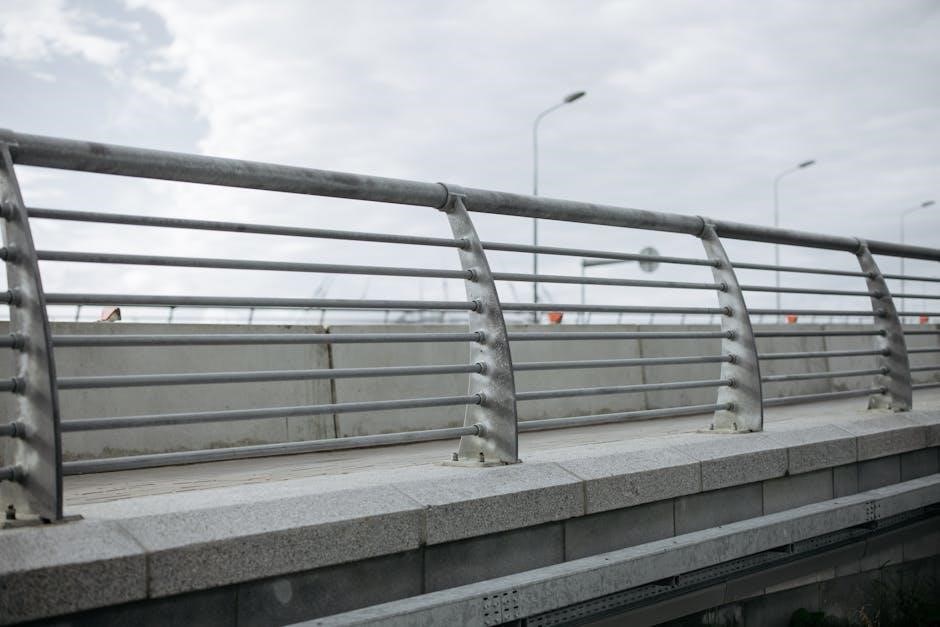
Cable railing systems are celebrated for providing minimal visual obstruction, maximizing scenic views and creating a feeling of spaciousness․ Stainless steel cables, tensioned between posts, offer a clean, modern aesthetic suitable for decks, balconies, and staircases․ This style is particularly popular in locations with desirable landscapes or waterfront properties․
DSI, a prominent railing manufacturer, offers durable and code-compliant cable railing solutions․ Proper installation and tensioning are crucial for safety and performance; Cable railings offer a sophisticated alternative to traditional balusters, enhancing both beauty and functionality․