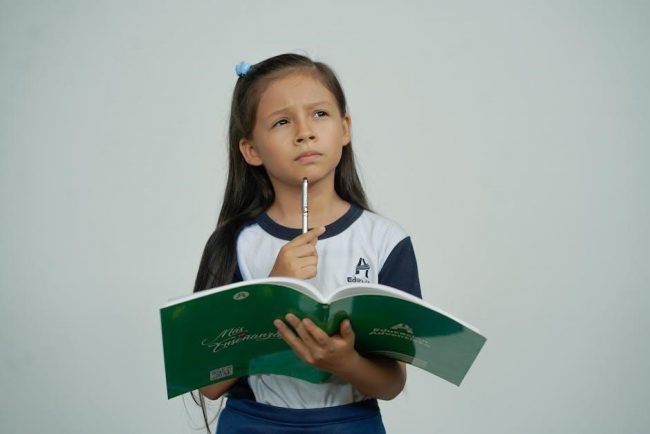
Spanish manuals are vital tools for structured language acquisition, offering a pathway to fluency through organized lessons and practice.
These resources, ranging from textbooks to workbooks, provide a foundation for understanding Spanish grammar, vocabulary, and cultural nuances.
They are increasingly supplemented by digital platforms and online resources, enhancing the learning experience for all levels.
What is a Spanish Manual?
A Spanish manual is a comprehensive learning resource designed to guide individuals through the process of acquiring the Spanish language. These manuals, available in both physical and digital formats, typically encompass a structured curriculum covering essential aspects of the language.
This includes grammar rules, vocabulary building, pronunciation guidance, and cultural insights. They often feature exercises, dialogues, and assessments to reinforce learning.
Modern manuals frequently integrate online components, such as audio recordings for pronunciation practice – like those found on Forvo – and interactive exercises. They serve as a foundational element for both self-study and classroom instruction.
Why Use a Spanish Manual?
Spanish manuals offer a structured and systematic approach to language learning, crucial for building a solid foundation. They provide clear explanations of grammatical concepts, often lacking in informal learning methods.
Manuals facilitate consistent progress through organized lessons and practice exercises, helping learners stay motivated and track their improvement.
Furthermore, they often incorporate cultural context, enhancing understanding beyond mere linguistic competence. Resources like those from the University of Washington Libraries demonstrate the value of curated, educational materials. They are a practical advantage in an increasingly globalized world.

Types of Spanish Manuals Available
Spanish manuals come in diverse formats – textbooks, workbooks, grammar guides, and conversation-focused materials – catering to varied learning styles and goals.
These resources offer flexibility and targeted practice for effective language acquisition.
Textbooks for Structured Learning
Textbooks form the cornerstone of many Spanish learning journeys, providing a comprehensive and sequential approach to the language. They typically introduce grammar concepts gradually, accompanied by vocabulary building exercises and cultural insights.
These manuals often include dialogues and readings to develop comprehension skills, alongside practice activities to reinforce learning.
Many modern textbooks integrate audio components for pronunciation practice, and some now offer online resources and interactive exercises to supplement the core material, enhancing the overall learning experience.
They are ideal for learners who prefer a systematic and guided path to fluency.
Workbooks for Practice
Workbooks are essential companions to textbooks, offering focused exercises to solidify understanding and build proficiency in Spanish. They provide ample opportunities to practice grammar rules, vocabulary, and sentence structure through a variety of activities.
These manuals often include fill-in-the-blanks, translation exercises, and writing prompts to develop practical language skills.
Workbooks are particularly valuable for reinforcing concepts learned in textbooks and identifying areas needing further attention. Consistent practice with a workbook significantly boosts confidence and fluency.
They are a key component of effective Spanish learning.
Grammar-Focused Manuals
Grammar-focused manuals are designed to systematically explain the intricacies of Spanish grammar, from verb conjugations to sentence construction. These resources break down complex rules into manageable segments, often with clear examples and explanations.
They are invaluable for learners who want a deep understanding of the language’s structure.
Effective grammar manuals provide abundant practice exercises to reinforce learning and build confidence. Resources like “Practice Makes Perfect: Complete Spanish Grammar” exemplify this approach, offering comprehensive coverage and targeted practice.
Mastering grammar is fundamental to fluency.
Conversation Manuals
Conversation manuals prioritize practical communication skills, focusing on everyday dialogues and realistic scenarios. These resources aim to equip learners with the ability to engage in authentic conversations from the start.
They often include audio components to aid pronunciation and listening comprehension.
These manuals typically present vocabulary and phrases within conversational contexts, making learning more relevant and memorable.
They are excellent for building confidence in speaking and understanding spoken Spanish, preparing learners for real-world interactions.

Key Features of Effective Spanish Manuals
Effective Spanish manuals boast clear grammar explanations, ample practice, audio for pronunciation, and cultural insights – crucial elements for successful language learning.
Clear Explanations of Grammar
A cornerstone of any good Spanish manual is its ability to demystify the often-complex world of Spanish grammar. Effective manuals don’t just present rules; they explain why those rules exist, providing context and making them easier to internalize.
Look for manuals that break down grammatical concepts into manageable chunks, using relatable examples and avoiding overly technical jargon.
The best resources will also offer progressive learning, building upon previously introduced concepts to create a solid grammatical foundation. This clarity is essential for building confidence and avoiding common errors.
Abundant Practice Exercises
A Spanish manual’s value is significantly amplified by the inclusion of plentiful practice exercises. Simply understanding a grammatical concept isn’t enough; learners need opportunities to actively apply that knowledge.
Effective manuals offer a diverse range of exercises – fill-in-the-blanks, translations, sentence construction, and more – to reinforce learning from multiple angles.
These exercises should progressively increase in difficulty, challenging learners while remaining achievable. Regular practice solidifies understanding and builds fluency, turning theory into practical skill.
Audio Components for Pronunciation
Pronunciation is a cornerstone of language learning, and a quality Spanish manual will prioritize this aspect. Integrated audio components are crucial for learners to hear correct pronunciation from native speakers.
Resources like Forvo, with its extensive library of native speaker pronunciations, exemplify this need. Audio exercises should accompany dialogues, vocabulary lists, and grammar explanations.
These components allow learners to mimic sounds, improve accent, and develop confident speaking skills. Without proper audio guidance, mastering Spanish pronunciation becomes significantly more challenging.
Cultural Insights
A truly effective Spanish manual transcends grammar and vocabulary, immersing learners in the rich tapestry of Hispanic cultures. Understanding cultural context is paramount for meaningful communication.
Manuals should incorporate information about traditions, customs, and social norms of Spanish-speaking countries. This includes insights into etiquette, history, and everyday life.
Such cultural awareness enhances comprehension, prevents misunderstandings, and fosters genuine connection. Learning a language isn’t just about words; it’s about understanding the people who speak it.
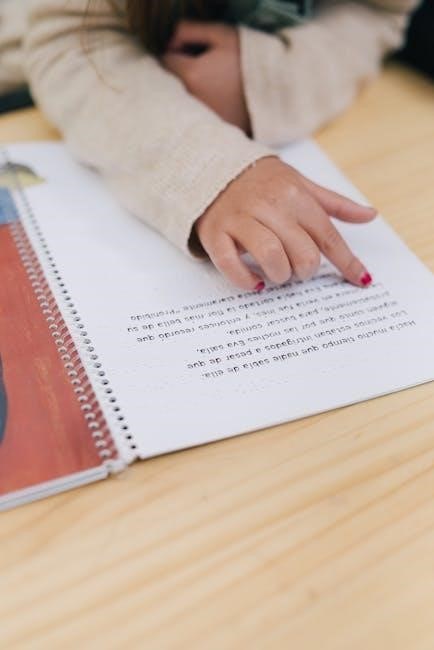
Top Recommended Spanish Manuals (Based on Current Resources)
Several Spanish manuals consistently receive high praise from learners and educators alike, offering comprehensive and accessible learning experiences.
These include “Easy Spanish Step-by-Step,” “Practice Makes Perfect,” and “Spanish for Dummies,” each catering to different learning styles.
“Easy Spanish Step-by-Step”
“Easy Spanish Step-by-Step” is a highly regarded manual, particularly beneficial for beginners seeking a gradual and methodical approach to language learning. This resource breaks down complex grammatical concepts into manageable steps, fostering a strong foundation in Spanish.
It emphasizes practical application through numerous exercises and real-life scenarios, enabling learners to confidently use the language. The manual’s clear explanations and progressive structure make it an excellent choice for self-study or as a supplementary tool in a classroom setting.
Its focus on building skills incrementally ensures learners develop a solid understanding of Spanish, progressing at their own pace and achieving tangible results.
“Practice Makes Perfect: Complete Spanish Grammar”
“Practice Makes Perfect: Complete Spanish Grammar” is a comprehensive resource ideal for learners aiming to master the intricacies of Spanish grammar. This manual distinguishes itself through its extensive collection of exercises, designed to reinforce understanding and build proficiency.
It covers a wide range of grammatical topics, from basic verb conjugations to more advanced sentence structures, providing detailed explanations and numerous examples. The book’s systematic approach and abundant practice opportunities make it an invaluable tool for both self-study and classroom use.
It’s perfect for solidifying grammatical concepts and achieving fluency.
“Spanish for Dummies”
“Spanish for Dummies” is a popular and accessible Spanish manual, particularly well-suited for beginners. It adopts a friendly and straightforward approach, breaking down complex concepts into easily digestible information. The manual covers essential grammar, vocabulary, and practical phrases for everyday conversations.
Its strength lies in its clear explanations, helpful illustrations, and emphasis on practical application. It also includes cultural insights, enhancing the learning experience beyond mere linguistic competence. This resource is a great starting point for anyone intimidated by learning a new language.
Utilizing Online Resources to Supplement Manuals
Online resources, like Forvo for pronunciation and the University of Washington’s OER, greatly enhance Spanish learning alongside manuals.
These tools provide authentic audio and free, adaptable learning materials.
Forvo for Pronunciation Practice
Forvo is an invaluable online pronunciation dictionary covering 299 languages, including a substantial Spanish index currently boasting over 57, – and growing daily!
This resource allows learners to hear native speakers pronounce words, crucial for accurate speech and comprehension.
Unlike textbook audio, Forvo offers diverse accents and speaking speeds, exposing learners to real-world Spanish.
It’s particularly useful when encountering unfamiliar vocabulary in manuals, bridging the gap between written text and spoken language, and fostering confident pronunciation;
Regular use of Forvo significantly improves pronunciation skills.
University of Washington Libraries ⏤ Open Educational Resources
The University of Washington Libraries provides access to a curated collection of Open Educational Resources (OER) specifically for Spanish language learning.
These resources focus on elementary and intermediate Spanish courses, and also cater to heritage speakers, offering diverse learning materials.
Instructors can freely adapt and integrate these openly licensed resources into their teaching, or learners can utilize them independently alongside a Spanish manual.
The OER collection offers a cost-effective and flexible supplement to traditional learning methods, enhancing comprehension and skill development.
Contact the Open Education Librarian for further assistance.
Free Online Spanish Courses & Apps
Numerous free online resources complement the use of a Spanish manual, offering interactive and engaging learning experiences.
These include courses, apps, YouTube channels, and games designed to boost Spanish skills, from beginner to advanced levels.
They provide listening practice, interactive quizzes, downloadable guides, and video lessons based on authentic Spanish conversations.
Utilizing these platforms alongside a structured manual allows for a well-rounded approach to language acquisition, reinforcing concepts and improving fluency.
Explore these options to enhance your learning journey!
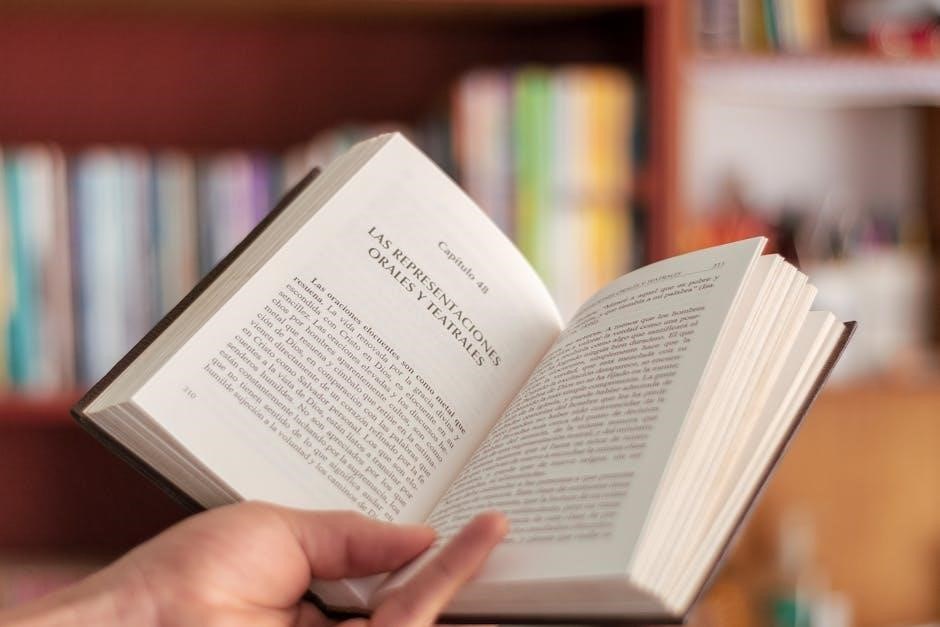
Integrating Manuals with Other Learning Methods
Combining a Spanish manual with language exchange, immersion, and Spanish media accelerates learning.
This multifaceted approach reinforces concepts, improves pronunciation, and fosters cultural understanding for effective fluency.
Language Exchange Partners
Pairing your Spanish manual studies with a language exchange partner dramatically enhances practical application. This method moves beyond textbook exercises, offering real-time conversational practice and immediate feedback on pronunciation and grammar.
Finding a native Spanish speaker willing to exchange language skills provides invaluable cultural insights not always found within manual pages.
Regular sessions build confidence, improve fluency, and allow you to test your understanding of concepts learned from your chosen Spanish manual in a dynamic, authentic setting. It’s a powerful supplement!
Immersion Techniques
Complementing your Spanish manual with immersion techniques accelerates learning by creating a simulated real-world environment. This goes beyond rote memorization, forcing active recall and contextual understanding of the language.
Surround yourself with Spanish media – music, movies, and TV shows – to train your ear and absorb natural speech patterns.
Even simple changes, like labeling household items in Spanish, reinforce vocabulary learned in your manual. Immersion solidifies knowledge and builds fluency, making your manual studies more effective.
Spanish Media (Music, Movies, TV)
Integrating Spanish media with your manual dramatically enhances comprehension and cultural understanding. While your manual provides structure, media exposes you to authentic language use, slang, and diverse accents.
Start with subtitles, gradually reducing reliance as your listening skills improve. Music aids vocabulary retention through repetition, while movies and TV offer visual context.
This immersive approach transforms passive learning into an engaging experience, solidifying concepts from your Spanish manual and accelerating fluency.
Choosing the Right Manual for Your Level
Selecting a manual aligned with your current Spanish proficiency is crucial for effective learning. Beginner, intermediate, and advanced manuals cater to specific skill sets.
Assess your knowledge honestly to avoid frustration or boredom, maximizing your learning potential.
Beginner Manuals
For those starting their Spanish journey, beginner manuals prioritize foundational elements. These resources typically introduce basic grammar concepts, essential vocabulary, and fundamental sentence structures.
Expect a slow and steady pace, with ample repetition and clear explanations. Look for manuals that incorporate audio components to aid pronunciation from the outset.
Many beginner manuals focus on practical, everyday conversations, enabling learners to quickly apply their knowledge. Resources like “Easy Spanish Step-by-Step” are often recommended, providing a gentle introduction to the language and culture.
Intermediate Manuals
Intermediate Spanish manuals build upon the foundation established in beginner resources, delving into more complex grammatical structures and expanding vocabulary.
These manuals often introduce the subjunctive mood, past tenses beyond the preterite and imperfect, and more nuanced conversational topics. Expect a faster pace and a greater emphasis on independent practice.
Resources like “Practice Makes Perfect: Complete Spanish Grammar” are valuable for solidifying understanding. They frequently include authentic materials, such as short readings and dialogues, to enhance comprehension and fluency.
Advanced Manuals
Advanced Spanish manuals cater to learners aiming for near-native fluency, focusing on sophisticated grammar, idiomatic expressions, and complex sentence structures.
These resources often incorporate literary texts, academic articles, and authentic media to challenge learners and refine their comprehension skills. Expect a significant emphasis on writing and nuanced oral communication.
Manuals at this level encourage independent research and critical thinking about the Spanish-speaking world. They prepare students for advanced proficiency exams and immersive experiences, fostering a deep understanding of the language and culture.

Maximizing Your Learning with a Spanish Manual
Consistent study, realistic goals, and active recall are key to success with a Spanish manual. Supplement with diverse methods for optimal progress!
Setting Realistic Goals
Embarking on Spanish learning requires establishing achievable goals. Avoid overwhelming yourself with ambitious targets initially; instead, focus on incremental progress. Break down larger objectives into smaller, manageable steps. For example, aim to master a specific grammar concept each week or learn a set number of new vocabulary words daily.
Consider your available time and learning style when setting goals; A consistent, moderate approach is far more effective than sporadic, intense bursts of study. Celebrate milestones to maintain motivation and track your advancement with your Spanish manual.
Consistent Study Schedule
A cornerstone of success with any Spanish manual is a dedicated study schedule. Regular, even short, study sessions are more beneficial than infrequent, lengthy ones. Integrate Spanish learning into your daily or weekly routine, treating it like any other important appointment.
Consistency reinforces learning and prevents knowledge decay. Utilize your manual during these scheduled times, focusing on specific exercises or chapters. A predictable schedule fosters discipline and maximizes the effectiveness of your chosen Spanish learning resources.
Active Recall Techniques
Enhance retention by employing active recall while using your Spanish manual. Instead of passively rereading, test yourself frequently. Cover answers and attempt to reconstruct grammar rules or vocabulary from memory.
Flashcards, self-quizzing, and teaching concepts to others are excellent methods. This forces your brain to retrieve information, strengthening neural pathways. Regularly challenge yourself to apply what you’ve learned from the manual in practical exercises, solidifying your understanding and boosting fluency.

Resources for Finding Spanish Manuals
Locate Spanish manuals through online bookstores, university libraries, and specialized language learning stores. Explore options for both physical and digital resources to suit your needs.
Online Bookstores
Numerous online bookstores offer a vast selection of Spanish manuals, catering to diverse learning styles and levels. Platforms like Amazon and Barnes & Noble provide extensive catalogs, often with customer reviews to guide your selection.
These sites frequently feature discounted prices and convenient shipping options, making them accessible choices. Consider exploring specialized language learning retailers online as well, which may offer a curated selection of high-quality Spanish learning materials.
Don’t forget to compare prices and shipping costs before making a purchase to ensure you’re getting the best deal on your chosen Spanish manual!
University Libraries
University libraries represent a valuable, often underutilized, resource for accessing Spanish manuals. Many institutions maintain extensive language learning collections, available for borrowing by students and sometimes even the general public.
The University of Washington Libraries, for example, offers Open Educational Resources (OER) specifically for Spanish language learning, including elementary and intermediate courses.
These resources are often free to use and can supplement purchased manuals. Check your local university library’s catalog or website to discover the Spanish learning materials they have available.
Language Learning Stores
Language learning stores, both brick-and-mortar and online, specialize in providing a curated selection of Spanish manuals. These stores often carry a wider variety of materials than general bookstores, catering specifically to language learners’ needs.
You can find textbooks, workbooks, audio courses, and specialized grammar guides. Staff in these stores are frequently knowledgeable and can offer personalized recommendations based on your learning style and goals.
Online stores provide convenience and often competitive pricing, making them a great option for finding the perfect Spanish manual.

The Future of Spanish Manuals
Spanish manuals are evolving with digital platforms and AI-powered tools, offering interactive experiences and personalized learning paths for enhanced language acquisition.
Digital Manuals and Interactive Platforms
Digital Spanish manuals represent a significant shift in language learning, moving beyond traditional textbooks. These platforms often incorporate multimedia elements like audio and video, enhancing engagement and pronunciation practice.
Interactive exercises, quizzes, and gamified lessons provide immediate feedback, fostering a more dynamic learning experience. Many platforms adapt to individual learning styles and paces, offering personalized content.
Furthermore, integration with online communities and language exchange partners is becoming increasingly common, creating opportunities for real-world application and cultural immersion. This evolution makes learning more accessible and effective.
AI-Powered Learning Tools
Artificial intelligence (AI) is revolutionizing Spanish learning, offering personalized and adaptive learning experiences. AI-powered tools can analyze a learner’s strengths and weaknesses, tailoring lessons to address specific needs.
These tools provide instant feedback on pronunciation, grammar, and vocabulary, accelerating progress. AI chatbots offer conversational practice, simulating real-life interactions.
Moreover, AI algorithms can curate relevant content, such as articles and videos, based on a learner’s interests and proficiency level. This integration of AI enhances the effectiveness and efficiency of Spanish manuals.
Addressing Common Challenges with Spanish Learning
Spanish manuals often tackle pronunciation hurdles, grammar complexities, and motivation dips with targeted exercises and cultural context, fostering consistent progress.
Pronunciation Difficulties
Spanish manuals frequently address pronunciation challenges by incorporating audio components, allowing learners to hear native speakers and mimic correct sounds. Resources like Forvo, highlighted as “utterly indispensable” for pronunciation lookup, complement manual study.
Many manuals offer phonetic transcriptions alongside vocabulary, aiding in accurate articulation. Consistent practice with audio, coupled with focused attention on sounds differing from one’s native language, is key.
Effective manuals break down complex sounds into manageable steps, building confidence and improving clarity.
Grammar Complexity
Spanish manuals often dedicate significant space to unraveling the intricacies of Spanish grammar, a common hurdle for learners. Resources like “Practice Makes Perfect: Complete Spanish Grammar” exemplify this focus, providing extensive exercises for mastery.
Effective manuals break down complex concepts – verb conjugations, gendered nouns, and subjunctive moods – into digestible segments.
Clear explanations, coupled with abundant practice, are crucial for solidifying understanding.
Many manuals offer progressive exercises, building from basic to advanced grammatical structures.
Maintaining Motivation
Spanish manuals can be most effective when paired with strategies to sustain learner motivation. Setting realistic goals, as suggested for maximizing learning, is paramount.
A consistent study schedule, even in short bursts, fosters progress and builds momentum.
Integrating the manual with enjoyable activities – like Spanish music or movies – combats monotony.
Language exchange partners provide real-world practice and encouragement, boosting confidence.
Remembering the practical advantages of Spanish in a globalized world can also fuel dedication.