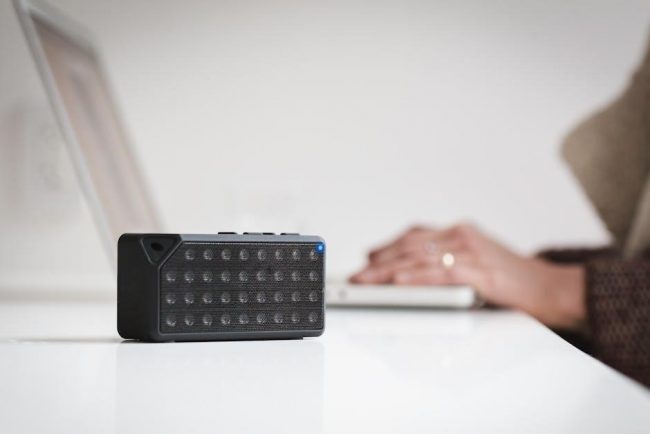
Insignia Sound Bar Manual: A Comprehensive Guide (Updated 04/07/2026)
Welcome! This manual provides detailed instructions for setting up, using, and troubleshooting your Insignia Sound Bar, ensuring optimal audio performance and enjoyment.
Congratulations on purchasing your new Insignia Sound Bar! This device is designed to significantly enhance your home theater experience, delivering immersive and high-quality audio. Whether you’re enjoying movies, music, or video games, the Insignia Sound Bar will elevate your entertainment.
This sound bar offers multiple connectivity options, including Bluetooth, optical, and HDMI ARC, allowing for seamless integration with a wide range of televisions and devices. It’s built to provide clear dialogue, rich bass, and a dynamic soundstage.
Before you begin, please take a few moments to familiarize yourself with this manual. It contains essential information regarding setup, operation, troubleshooting, and safety precautions. We’ve aimed to make the process as straightforward as possible, so you can quickly enjoy superior sound. Explore the possibilities and customize your audio experience!
What’s in the Box? ⏤ Component Checklist
Before proceeding with setup, please verify that all the following components are present in the packaging. If any items are missing or damaged, please contact Insignia customer support immediately.
- Insignia Sound Bar Unit: The main speaker enclosure.
- Remote Control: Used for controlling the sound bar’s functions. Requires batteries (typically AAA, not always included).
- Power Adapter: Connects the sound bar to a power outlet.
- Optical Audio Cable: For digital audio connection to your TV.
- HDMI Cable: For HDMI ARC connection to your TV (may be included).
- Wall Mounting Kit: Includes brackets and screws for optional wall mounting.
- Quick Start Guide: A simplified guide for initial setup.
- Safety Instructions & Warranty Information: Important documentation.
Carefully unpack all components and retain the original packaging for potential future transport or returns. Inspect each item for any visible damage.
Setting Up Your Insignia Sound Bar
Let’s begin! This section details the straightforward process of connecting your new Insignia Sound Bar to your television and power source.
Connecting to Your TV ー Methods & Compatibility
Your Insignia Sound Bar offers several connection options to ensure compatibility with most modern televisions. The primary methods include HDMI ARC (Audio Return Channel), Optical Cable, and potentially Bluetooth for wireless audio streaming.
HDMI ARC is the recommended connection method, providing both high-quality audio and the ability to control the sound bar volume with your TV remote. Ensure your TV and sound bar both support HDMI ARC and are connected to HDMI ARC-labeled ports.
Optical Cable provides a digital audio connection and is compatible with TVs that don’t have HDMI ARC. Connect one end of the optical cable to the sound bar’s optical input and the other to your TV’s optical output.
Bluetooth allows for wireless connection from compatible devices, but may not offer the same audio quality as wired connections. Check your TV’s manual for Bluetooth audio transmission capabilities.
Compatibility generally extends to most TVs manufactured within the last decade, but specific features may vary.
Powering On & Initial Setup
To begin, connect the provided power adapter to the Insignia Sound Bar and plug it into a working electrical outlet. Press the power button located on the sound bar’s control panel or the remote control to turn it on. The sound bar will typically initiate an automatic setup sequence.
During initial setup, the sound bar may prompt you to select an audio input source (HDMI ARC, Optical, Bluetooth, etc.). Use the remote control to navigate the on-screen menu and choose the connection method you’ve established with your TV.
If using HDMI ARC, ensure your TV is set to output audio via ARC. The sound bar may automatically detect the TV’s audio settings. If not, manually adjust the sound bar’s input settings accordingly.
Once the input source is selected, test the audio by playing content on your TV. Adjust the volume using the sound bar’s remote or control panel.
Bluetooth Pairing ー Connecting Wireless Devices
To connect wirelessly, first ensure your Insignia Sound Bar is in pairing mode. Press and hold the Bluetooth button on the sound bar or remote control until the Bluetooth indicator light begins to flash. This signifies the sound bar is discoverable.
On your smartphone, tablet, or other Bluetooth-enabled device, navigate to the Bluetooth settings menu. Scan for available devices. The Insignia Sound Bar should appear in the list of detected devices – typically identified by its model number.
Select the Insignia Sound Bar from the list to initiate the pairing process. You may be prompted to enter a pairing code (usually “0000” if required). Once paired, the Bluetooth indicator light on the sound bar will become solid.
Now you can stream audio wirelessly from your device to the sound bar. Adjust the volume on both your device and the sound bar for optimal sound levels;
Optical Cable Connection ⏤ Detailed Instructions
For a high-quality digital audio connection, use an optical cable. Locate the “Optical In” port on the back of your Insignia Sound Bar and the “Optical Out” port on your TV. Gently remove the protective caps from both ends of the optical cable;
Carefully insert one end of the optical cable into the Sound Bar’s Optical In port and the other end into your TV’s Optical Out port. Ensure the connectors are fully seated and click into place.
On your TV, navigate to the audio settings menu. Select “Optical” or “Digital Audio Out” as the audio output source. You may also need to adjust the audio format to PCM or Dolby Digital, depending on your TV’s capabilities.
Power on both the Sound Bar and your TV. Select the appropriate input source on the Sound Bar (usually labeled “Optical” or “Digital”) using the remote control. Enjoy enhanced audio!
HDMI ARC Connection ⏤ Advantages & Troubleshooting
HDMI ARC (Audio Return Channel) simplifies connectivity, transmitting audio from your TV to the Sound Bar through a single HDMI cable. This eliminates the need for an optical cable and allows control of the Sound Bar’s volume using your TV remote.
Connect an HDMI cable to the HDMI ARC port on both your TV and the Insignia Sound Bar. Ensure ARC is enabled in your TV’s settings – typically found within the sound or HDMI options. Select the HDMI ARC input on your Sound Bar.
Troubleshooting: If no sound occurs, verify ARC is enabled on your TV and the correct input is selected. Try a different HDMI cable. If using a 4K TV, ensure HDCP 2.2 is supported. Restart both devices.
For persistent issues, consult your TV’s manual or Insignia’s support website for specific ARC configuration instructions.

Understanding the Insignia Sound Bar Controls
Master your sound! This section details the functions of both the remote control and the physical buttons on the Insignia Sound Bar itself.
Remote Control Overview ⏤ Button Functions
Power Button: Turns the sound bar on and off. A quick press toggles power; holding it may initiate Bluetooth pairing. Volume Up/Down: Adjusts the audio level. Press repeatedly for incremental changes, or hold for continuous adjustment. Source: Cycles through available input sources – TV (HDMI ARC/Optical), Bluetooth, and potentially USB or AUX.
Sound Mode: Selects preset audio profiles like Movie, Music, Voice, or Standard. Experiment to find the best setting for your content. Bass Boost/Level: Enhances low-frequency sounds for a richer experience. Adjust to your preference. Mute: Instantly silences the audio output. Press again to restore sound.
Bluetooth Button: Initiates Bluetooth pairing mode, allowing you to connect wireless devices. EQ Settings (if available): Accesses equalizer presets or custom settings for audio customization. Navigation Buttons (if applicable): Used for navigating on-screen menus if the sound bar has a display. OK/Enter: Confirms selections within menus.
Sound Bar Control Panel ⏤ Physical Buttons Explained
Power Button: Located on the top or side panel, this button mirrors the remote’s power function – a short press turns the unit on/off. Volume +/- Buttons: These tactile buttons provide direct control over the sound level, offering immediate adjustments without the remote. Source/Input Button: Cycles through available audio inputs, such as HDMI ARC, Optical, or Bluetooth. A clear indicator light displays the selected source.
Bluetooth Pairing Button: Initiates the Bluetooth pairing process, enabling connection with smartphones, tablets, or other wireless devices. A flashing light indicates pairing mode. Sound Mode Button: Allows you to switch between pre-set sound modes (Movie, Music, Voice) directly on the sound bar. Reset Button (often recessed): Used to restore the sound bar to its factory default settings – useful for troubleshooting.
LED Indicators: Small lights indicate power status, input source, and Bluetooth connection status. Refer to the manual for specific light patterns.
Adjusting Volume & Bass
Volume Control: Adjust the volume using either the physical volume buttons on the sound bar’s control panel or the corresponding buttons on the remote control. Incremental adjustments are made with each press. Ensure balanced audio levels to avoid distortion. Bass Adjustment: Dedicated bass controls allow you to enhance or reduce low-frequency sounds. Access bass settings via the remote control, typically labeled “Bass” or “Subwoofer.”
Bass Level Selection: Many Insignia sound bars offer pre-set bass levels (e.g., Low, Medium, High) or a customizable bass adjustment slider. Experiment to find the optimal setting for your listening preferences and room acoustics. Equalizer Settings: For more granular control, explore the equalizer settings (if available) to fine-tune specific frequency ranges, including bass.
Sound Mode Impact: Remember that different sound modes (Movie, Music, Voice) may automatically adjust bass levels.
Sound Modes ⏤ Movie, Music, Voice, etc.
Preset Sound Modes: Your Insignia sound bar features several pre-configured sound modes designed to optimize audio for different content types. Movie Mode: Enhances dynamic range and bass for an immersive cinematic experience. Music Mode: Balances frequencies for clear vocals and detailed instrument separation, ideal for enjoying your favorite tracks.
Voice Mode: Amplifies vocal frequencies, making dialogue clearer and easier to understand – perfect for news, podcasts, or shows with complex storylines. Standard/Auto Mode: Provides a balanced audio profile suitable for general listening. Night Mode: Reduces dynamic range to minimize loud sounds during quiet hours.
Selecting a Mode: Cycle through available sound modes using the “Sound Mode” button on the remote control. The current mode is typically displayed on the sound bar’s front panel or via an on-screen indicator.
Troubleshooting Common Issues
Facing problems? This section offers solutions to frequently encountered issues, including no sound, Bluetooth connectivity, remote control malfunctions, and audio distortion.
No Sound ⏤ Diagnosing & Fixing the Problem
Silence is frustrating! If your Insignia Sound Bar isn’t producing sound, systematically check several key areas. First, verify the power connection to both the sound bar and your TV. Ensure the volume is turned up on both devices – it sounds simple, but it’s often the culprit!
Next, confirm the correct input source is selected on the sound bar. Cycle through options like Optical, HDMI ARC, or Bluetooth to match your TV’s connection. Double-check the cable connections themselves; a loose or damaged cable can interrupt the signal. If using Optical or HDMI, try a different cable to rule out a faulty one.
For HDMI ARC, ensure ARC is enabled in your TV’s audio settings. Some TVs require manual activation. Finally, if using Bluetooth, confirm the sound bar is properly paired with your device and that the volume is audible on the source device. If issues persist, a power cycle (unplugging for 30 seconds) can often resolve temporary glitches.
Bluetooth Connection Issues ー Solutions
Experiencing Bluetooth difficulties? Several steps can resolve connection problems with your Insignia Sound Bar. First, ensure Bluetooth is enabled on both the sound bar and your transmitting device (smartphone, tablet, etc.). Verify the sound bar is in pairing mode – typically indicated by a flashing blue light. If it doesn’t enter pairing mode, consult the “Bluetooth Pairing” section of this manual.
Next, check if the sound bar is already connected to another device. Bluetooth can often only maintain one active connection at a time. Disconnect other paired devices to free up a slot. Move your transmitting device closer to the sound bar; Bluetooth range can be limited by obstacles.
If pairing fails repeatedly, try “forgetting” the sound bar in your device’s Bluetooth settings and then re-pairing. A simple reset of the sound bar (power cycle) can also clear any lingering connection issues. Finally, ensure no other Bluetooth devices are causing interference.
Remote Control Not Working ⏤ Battery & Pairing
Is your Insignia Sound Bar remote unresponsive? The most common cause is depleted batteries. Replace them with fresh, correctly installed batteries, ensuring proper polarity (+/-). If new batteries don’t resolve the issue, the remote may require re-pairing with the sound bar.
To re-pair, locate the “pairing” button on the sound bar itself (refer to the “Sound Bar Control Panel” section). Press and hold this button until the sound bar enters pairing mode – usually indicated by a flashing light. Simultaneously, on the remote, press and hold the “Home” or “Setup” button (consult the “Remote Control Overview” for specific button locations).
Keep the remote close to the sound bar during pairing. If pairing fails, ensure there’s no interference from other devices. A reset of the sound bar might also be necessary to clear any previous pairing information. If problems persist, contact customer support;
Sound Distortion ⏤ Identifying the Cause
Experiencing crackling, buzzing, or generally distorted audio from your Insignia Sound Bar? Several factors can contribute to this. First, check the volume level – excessive volume can cause distortion. Reduce the volume on both the sound bar and your connected TV or device.
Next, inspect your cable connections (HDMI ARC or Optical). Ensure they are securely plugged in and undamaged. Try a different cable to rule out a faulty connection. Interference from nearby electronic devices can also cause distortion; move the sound bar away from potential sources.
Certain audio sources, particularly heavily compressed files, may inherently sound distorted. Test with a different source to isolate the problem. Finally, if distortion occurs only at specific frequencies, consider adjusting the equalizer settings (see “Equalizer Settings”). If the issue persists, a factory reset might be necessary.
Advanced Features & Settings
Unlock the full potential! Explore customizable equalizer settings, configure surround sound (if supported), and ensure peak performance with regular firmware updates.
Equalizer Settings ⏤ Customizing Your Audio
Fine-tune your listening experience! The Insignia Sound Bar offers a range of equalizer (EQ) presets designed to enhance different audio content. Access these settings through the sound bar’s menu, typically navigated using the remote control.
Preset Options: Explore pre-defined EQ modes like ‘Movie’ for dramatic soundscapes, ‘Music’ for balanced audio, ‘Voice’ to clarify dialogue, and potentially ‘News’ or ‘Sports’ for optimized clarity.
Custom EQ: For advanced users, a custom EQ mode allows manual adjustment of specific frequency bands – typically bass, mid-range, and treble. Experiment with these settings to tailor the sound to your personal preferences and room acoustics.
Tips for Adjustment: Boosting bass can add depth, while increasing treble enhances clarity. Be cautious with extreme adjustments, as they can lead to distortion. Start with small increments and listen carefully to the changes. Remember to save your custom settings for future use!
Surround Sound Configuration (if applicable)
Immersive Audio Experience! Certain Insignia Sound Bar models support virtual or true surround sound capabilities, enhancing the cinematic feel of your home theater. This section details configuration options, if available on your specific model.
Virtual Surround: Many sound bars utilize digital signal processing to create a wider soundstage, simulating a surround sound effect without requiring additional speakers. Enable this feature through the sound bar’s menu.
Wireless Rear Speakers: Some models are compatible with optional wireless rear speakers and a subwoofer. Pair these speakers following the instructions in the “Bluetooth Pairing” section. Ensure proper placement for optimal surround sound.
Configuration Settings: Adjust the level of surround sound, center channel volume (for dialogue clarity), and subwoofer output to fine-tune the experience. Experiment to find the settings that best suit your room and content.
Firmware Updates ー Keeping Your Sound Bar Current
Enhance Performance & Features! Regularly updating your Insignia Sound Bar’s firmware ensures optimal performance, bug fixes, and access to new features. Check for updates periodically to maintain a seamless user experience.
Update Methods: Firmware updates can typically be applied via USB or over-the-air (OTA) if your sound bar is connected to a Wi-Fi network. Consult the Insignia website for the latest firmware files and instructions.
USB Update: Download the firmware file to a USB flash drive, insert it into the sound bar’s USB port, and follow the on-screen prompts. Do not interrupt the update process!
OTA Update: Navigate to the “Settings” menu on your sound bar and select “System Update;” The sound bar will automatically check for and download available updates. Ensure a stable internet connection during the process.
Insignia Sound Bar Specifications
Detailed Overview! This section outlines the technical details of your Insignia Sound Bar, including power requirements, dimensions, and supported audio formats.
Technical Specifications ⏤ Power, Dimensions, etc.
Power Consumption: The Insignia Sound Bar operates at a standard power input of 100-240V ~ 50/60Hz. Typical power consumption during normal use is approximately 30W, with a maximum of 60W. Standby power consumption is less than 0.5W, ensuring energy efficiency.
Dimensions: The sound bar’s dimensions are 36 inches (width) x 2.5 inches (height) x 4.5 inches (depth). The subwoofer, if included, measures 8 inches (width) x 12 inches (height) x 8 inches (depth). Please verify specific dimensions based on your model number.
Weight: The sound bar weighs approximately 6.6 pounds, while the subwoofer (if applicable) weighs around 10 pounds. Total weight will vary depending on the configuration.
Operating Temperature: The sound bar is designed to operate optimally between 32°F and 104°F (0°C and 40°C). Avoid exposing the device to extreme temperatures.
Connectivity: Features include HDMI ARC, Optical Input, Bluetooth 5.0, and a 3.5mm auxiliary input.
Supported Audio Formats
Dolby Digital: Your Insignia Sound Bar fully supports Dolby Digital audio, delivering immersive and dynamic sound for movies and games. Ensure your source device is configured to output Dolby Digital for optimal performance.
DTS: Compatibility with DTS decoding provides another layer of high-fidelity audio experience, enhancing the clarity and detail of your entertainment. Check your source device settings for DTS output options.
PCM: The sound bar also supports PCM (Pulse Code Modulation) audio, a standard format widely used for digital audio transmission. This ensures compatibility with a broad range of devices.
Bluetooth Audio: When connecting via Bluetooth, the sound bar supports the SBC audio codec, providing reliable wireless audio streaming from smartphones, tablets, and laptops.
Other Formats: Additionally, the sound bar handles MP3, WAV, and FLAC audio files when played through connected USB devices or auxiliary input.

Safety Information & Warranty
Important: To prevent damage or injury, read all safety precautions before use. Your Insignia Sound Bar is covered by a one-year limited warranty.
Important Safety Precautions
Read these instructions carefully before operating your Insignia Sound Bar. To reduce the risk of fire, electric shock, or injury, always follow these safety guidelines. Do not expose the sound bar to dripping or splashing liquids. Ensure adequate ventilation around the unit; do not block ventilation openings.
Avoid placing the sound bar near heat sources like radiators or direct sunlight. Only use attachments recommended by the manufacturer. Clean the sound bar with a soft, dry cloth; do not use abrasive cleaners. Never attempt to disassemble or repair the sound bar yourself – servicing should be performed by qualified personnel.
Unplug the sound bar during lightning storms or prolonged periods of non-use. Protect the power cord from damage; avoid walking on it or pinching it. Use only a grounded power outlet. Keep this manual in a safe place for future reference, and heed all warnings and cautions presented within.
Warranty Details & Registration
Your Insignia Sound Bar is covered by a limited warranty against defects in materials and workmanship. The standard warranty period is one year from the date of original purchase. This warranty covers parts and labor for repairs or replacement, at Insignia’s discretion. Damage resulting from misuse, accidents, or unauthorized modifications is not covered.
To register your product and activate your warranty, please visit our website at [insert website address here]. Registration allows us to provide you with faster service and important product updates. Proof of purchase (receipt or invoice) is required for all warranty claims. Keep your original purchase documentation in a safe place.
For warranty service, contact Insignia Customer Support (see contact information below). We are committed to ensuring your satisfaction with your Insignia Sound Bar. Extended warranty options may also be available for purchase.
Customer Support Contact Information
Need Assistance? Our dedicated customer support team is here to help you with any questions or issues regarding your Insignia Sound Bar. We offer multiple channels for support to ensure a convenient experience.
Online Support: Visit our comprehensive support website at [insert website address here] for FAQs, troubleshooting guides, downloadable manuals, and access to our online chat feature.
Phone Support: You can reach our customer support representatives by phone at 1-877-445-7467. Our phone lines are open Monday through Friday, 9:00 AM to 9:00 PM EST, and Saturday/Sunday 9:00 AM to 6:00 PM EST.
Email Support: For non-urgent inquiries, you can email us at [insert email address here]. We strive to respond to all email inquiries within 24-48 hours. Please include your model number and a detailed description of your issue.